
The Move Toward Multifamily Efficiency: Vendor Consolidation


Vendors are a large part of successful multifamily operations. By outsourcing various areas like landscaping, cleaning, maintenance, amenity management and other activities, apartment property managers can spend more time on big-picture tasks, including tenant recruitment and retention.
While vendors are important, too many of them can be problematic. “Juggling multiple vendors creates inefficiencies, service inconsistencies and administrative headaches,” WithMe Founder and CEO Jonathan Treble told ApartmentBuildings.com. As a result, multifamily owners and operators are consolidating vendors and letting go of inefficient suppliers without reducing quality.
A Consolidation History
Treble said the move toward vendor consolidation took place for a while, but the pandemic moved it forward. “Staffing shortages and rising costs forced property managers to rethink operations,” Treble said. “Efficiency became a necessity, not a nice-to-have.”
These days, property owners and managers want vendors who can take on more tasks without adding problems. As such, vendors offering consolidated solutions are more than convenient. “They’re becoming the go-to choice for operators looking to simplify and scale,” Treble said.
Treble added that effective vendor consolidation helps streamline operations, decreases administrative headaches, and boosts reliable service. “Instead of chasing down multiple vendors and troubleshooting issues, teams have more time to focus on what they do best: building a great community,” he commented.
Defining an “Inefficient Vendor”
 An inefficient vendor tends to create more problems than it solves. Obvious signs of vendor inefficiency include a general attitude of not giving a darn or delaying a job. Treble said other red flags might include:
- More work for staff. “If staff spends more time fixing issues than benefitting from a service, that’s a red flag,” Treble noted.
- Unanticipated costs. Any vendor that generates unexpected fees or expenses makes budgeting more complex.
- Inflexibility. According to Treble, efficient vendors must evolve with a property’s needs, “whether through scalable pricing, upgraded technology or enhanced service.”
- Poor communications. Slow or unresponsive customer support can disrupt a property’s operations and erode tenants’ trust.
Basically, “a vendor should make life easier,” Treble commented. “If they add friction instead of value, it’s time to move on.” As such, Treble explained that apartment owners and operators should seek out vendors that can make life easier by offering reliability, scalability, cost transparency, positive resident impact and hands-off management.
Improving Effectiveness, Reducing Headaches
The goal of consolidating vendors is to improve property and tenant experiences. Treble added that quality vendors go beyond simply providing a service; they help solve problems, simplify operations and make life easier for staff and residents.
“Letting go of inconsistency and inefficiency leads to better workflows, reduced stress on the property team and a better resident experience,” Treble said. “In the end, smart vendor choices set properties apart.”
Other Features

Why Occupancy and NOI Don’t tell the Whole Multifamily Story
The conventional wisdom among multifamily owners and operators is that occupancy and net operating income (NOI) are essential measures of an asset’s health. Knowing how many units are occupied and how much revenue those units generate has been the way to gauge financial and operational performance. But multifamily experts told ApartmentBuildings.com that these metrics, while...
Continue reading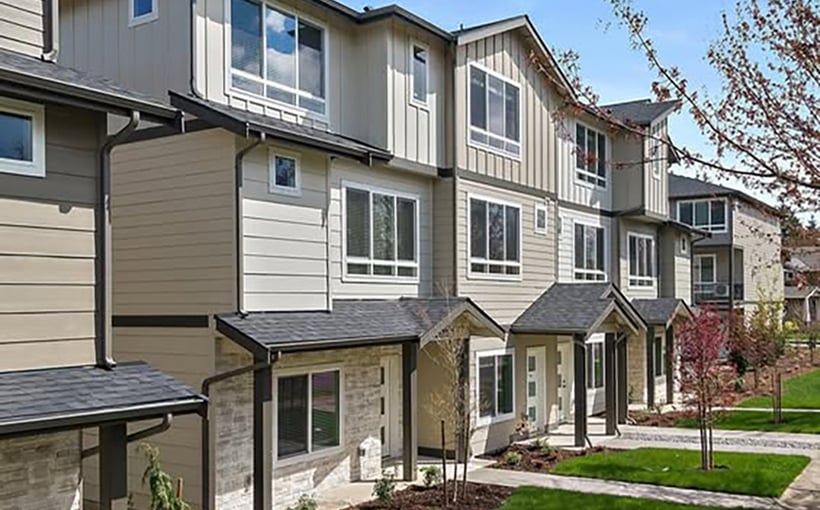
Full Occupancy, Larger Floor Plans Help Drive Chambers Reserve’s $25.5M in Acquisition Financing
Northmarq arranged a $25.5 million acquisition loan for Chambers Reserve, a 125-unit rental townhome community in Lacey, WA. According to Robert Spiro, who co-led Northmarq’s Debt + Equity team in the transaction, 100% occupancy and a differentiated housing product helped attract interest from multiple financing sources, including agency lenders and life insurance companies. “It is...
Continue reading
Apartment Construction Slows as Multifamily Market Moves Toward Balance
The U.S. multifamily market entered the fourth quarter of 2026 with declining vacancy, improving rent growth and fewer new apartments entering the market. The result is a sector moving closer to balance, according to Q3 reports from Cushman & Wakefield, MMG Real Estate Advisors, RealPage and Yardi Matrix. However, as real estate is local, conditions...
Continue reading
Brokers
View All-
Remax Real Estate Professionals
Re/Max Real Estate Professionals
-
Jared Ennis
Central CA Commercial | California
-
Rick Recckio
Recckio Real Estate & Development
-
Greg Corbin
Northgate Real Estate Group
Lenders
View AllManagement
View All-
Essex Property Trust, Inc.
California
-
Josh A
California
-
Bob Tuteur
-
Andrew Schildcrout