
Changing NIMBY Opinions About Affordable Housing: Q&A with CHOC’s Joy Silver

One solution to America’s housing crisis is to build more affordable units for lower-income populations.
However, even when knowledgeable developers slice through the bureaucratic red tape and obtain the necessary tax credits and funding to build, they must also work with community residents who don’t want “those types of apartments” in their area.
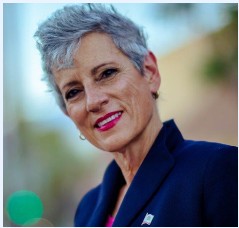
ApartmentBuildings.com recently spoke with Joy Silver, Chief Strategy Officer at Community Housing Opportunities Corporation (CHOC), to discuss strategies for countering NIMBYism in affordable housing development.
Q. Why is affordable housing regarded so negatively?
A. Because of perception. What we call “affordable” and what the general public thinks are two different things. Affordable housing is traditionally meant for low- and moderate-income households earning below the average median income. Depending on the location, that amount can range from 30% to 120% of the AMI. The issue here is that these households are earning money, but not enough for stabilized housing.
However, people might not consider this stratum when the topic of “affordable housing” comes up for discussion. They think about the hardened people who live on the streets, who are technically carrying their homes with them. They might also think about addiction, mental illness and veteran PTSD, so all of that gets mixed into the definition of affordable housing.
Q. Then how do you define affordable housing?
A. The lingo recently has been “attainable housing,” which involves creating homes for people who were formerly housed, but aren’t any more.
Medical payments might have forced them to lose their homes, or intimate partner violence might have driven mothers and their children away, to the point where they’re living in their cars. It’s not that this strata doesn’t know how to live in homes or hasn’t lived in them. They’re running because they can’t live in their house anymore for fear of violence, finances or other reasons.
This strata might also be earning income, but they don’t have enough to pay for stabilized shelter because costs are skyrocketing.
Q. So, does education make the community comfortable with the concept?
A. Yes, it can help. As affordable housing developers, we’re constantly faced with communities who see the ever-funneling in of people who are unsheltered, due to rising costs, among other reasons. Those communities can be resistant.
To counteract that, we explain that there are different versions of affordable housing, and what’s being built is attainable housing for those who are unsheltered and need a stable place to live.
Also, we emphasize that the housing we’re offering is not for the hard-core drug users or the chronically unsheltered. Those eligible for attainable housing must meet specific criteria. They must undergo a certification process to ensure they’re earning a sufficient amount, but not too much, and are required to recertify annually. It’s a highly regulated process. What we also explain is that we have a good formula. We can help bring in unsheltered people who are certified through their income and know they’re fortunate enough to have housing.
Other Features
3.8% HUD Loan Assumption Attracts 10+ Bidders for $26.6 Million Modesto Apartment Sale
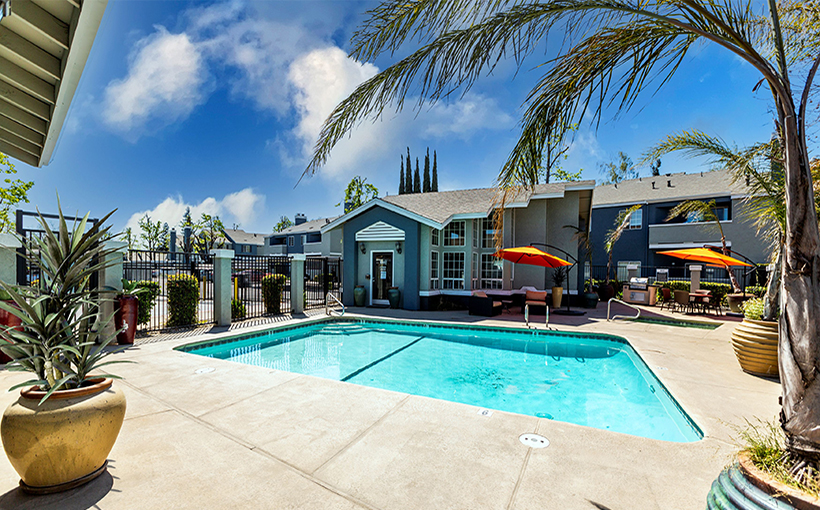
A Southern California family office made its first Modesto multifamily acquisition by purchasing the 100-unit Marc at 1600 for $26.6 million through a 1031 exchange. The buyer was one of more than 10 bidders for the property, which was marketed by The Mogharebi Group (TMG) of Costa Mesa, CA, on behalf of seller Tesseract...
Continue reading
Partial Office-to-Residential Conversions and Financing: The Case for a Floor-by-Floor Approach
Above photo: 100 Wall Street, VTS Marketplace Office-to-residential conversions might bring to mind occupier relocations, gutted interiors and retrofitted systems. Then, there are the partial office-to-residential conversions, in which some space is allocated to office occupiers, while upper floors are converted into for-rent units. “We are seeing partial conversions become an increasingly relevant option for...
Continue reading
Why Bonaventure Waited Four Years to Break Ground on the 344-Unit Attain at Swift Creek
In an environment where multifamily developers scramble to make projects work economically, Bonaventure took a different approach with Attain at Swift Creek in Chester, VA, a southern suburb of Richmond. It waited. The 58-acre site was under contract for four years while the developer worked through entitlements, changing construction costs and interest rates, and a...
Continue reading
Brokers
View All-
Remax Professionals
Re/Max Real Estate Professionals | New York
-
Jared Ennis
Central CA Commercial | California
-
Rick Recckio
Recckio Real Estate & Development
-
Eamonn McConnell
Avison Young - CA - ON - Greater Toronto
Lenders
View AllManagement
View All-
Essex Property Trust, Inc.
California
-
Josh A
California
-
Bob Tuteur
-
Andrew Schildcrout