
Multifamily Properties and Wellness Amenities: More than Treadmills


According to the Global Wellness Institute, “wellness” is “the active pursuit of activities, choices and lifestyles that lead to a state of holistic health.”
However, for some multifamily owners and operators, wellness has involved putting a couple of treadmills and weight stations in an empty room and calling it a day.
Lisa Kendall doesn’t have a problem with on-site exercise equipment in multifamily properties. However, regarding wellness, Kendall, CEO of LIVunLtd, part of The Amenity Collective’s portfolio of brands, told ApartmentBuildings.com that today’s multifamily residents want more. They’re looking for environments and programs to improve mental health and social welfare, along with tools to support physical well-being.
“Wellness is no longer just a perk; it’s an expectation,” Kendall said. “We’re seeing a growing demand for boutique-style fitness experiences within larger communities, ensuring every resident finds a space that resonates with their unique wellness journey.”
The Factors Behind Today’s Wellness
The following causes moved the wellness concept from physical fitness to holistic health:
- The increasing awareness and importance of mental health
- A greater understanding of social connection benefits in the pandemic’s aftermath
- The move toward sustainability and biophilic design through the use of natural materials, air purification and recovery-focused spaces
With the Global Wellness Institute’s definition in mind, Kendall explained that wellness as a multifamily amenity “is about creating spaces that support residents’ physical, mental and social well-being.”
In response, apartment owners and operators might improve wellness offerings through meditation areas, air-purification systems and communal spaces that foster social connection.
Furthermore, as residents continue to look for personalized and flexible wellness experiences, “they want wellness amenities that seamlessly fit into their routines, whether that means high-intensity workout spaces, peaceful meditation zones, or app-based and virtual fitness options,” Kendall said.
Meeting tenants’ wellness demands also benefit apartment owners and operators. “It boosts resident satisfaction, lease renewals and competitive differentiation,” Kendall commented.
Strategizing Wellness

Kendall said workable wellness amenities can be integrated into under-development and already-existing properties. When it comes to ground-up construction, “developers should prioritize wellness from the start, incorporating biophilic elements, natural light and multifunctional spaces that support activity and relaxation,” Kendall recommended.
For apartment buildings that are up and running, Kendall suggested air-filtration system upgrades and transforming unused space into communal and wellness areas. “Additionally, sustainability efforts, such as upcycling fitness equipment and preventative maintenance programs, are gaining traction, reinforcing the connection between environmental responsibility and resident wellness,” she added.
A multifamily property with a well-integrated wellness strategy helps improve community appeal while meeting renters’ needs. Added Kendall: “Communities with thoughtfully designed wellness spaces create a sense of belonging, fostering both personal well-being and a stronger community connection.”
Other Features
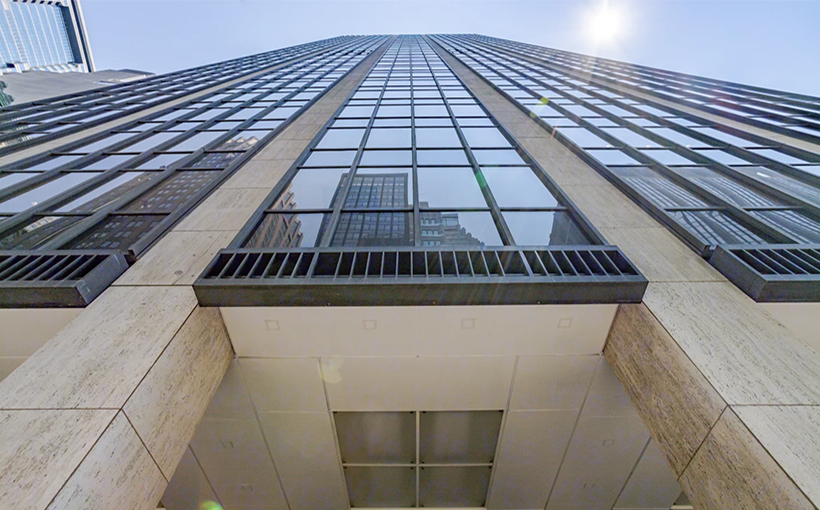
Partial Office-to-Residential Conversions and Financing: The Case for a Floor-by-Floor Approach
Above photo: 100 Wall Street, VTS Marketplace Office-to-residential conversions might bring to mind occupier relocations, gutted interiors and retrofitted systems. Then, there are the partial office-to-residential conversions, in which some space is allocated to office occupiers, while upper floors are converted into for-rent units. “We are seeing partial conversions become an increasingly relevant option for...
Continue reading
Why Bonaventure Waited Four Years to Break Ground on the 344-Unit Attain at Swift Creek
In an environment where multifamily developers scramble to make projects work economically, Bonaventure took a different approach with Attain at Swift Creek in Chester, VA, a southern suburb of Richmond. It waited. The 58-acre site was under contract for four years while the developer worked through entitlements, changing construction costs and interest rates, and a...
Continue reading
$14 Million Residence Inn Buy Paves Way for Multifamily Conversion in Supply-Constrained Market
Photo Source: JLL Torrington Real Estate Development closed on its $13.5 million buy of the 96-room Residence Inn Boston North Shore/Danvers. The Boston buyer also secured municipal zoning approvals from the Danvers Zoning Board of Appeals to convert the 1989-built property at 51 Newbury St. into an 88-unit apartment building. “Torrington recognized the value in...
Continue reading
Brokers
View All-
Remax Professionals
Re/Max Real Estate Professionals | New York
-
Jared Ennis
Central CA Commercial | California
-
Rick Recckio
Recckio Real Estate & Development
-
Eamonn McConnell
Avison Young - CA - ON - Greater Toronto
Lenders
View AllManagement
View All-
Essex Property Trust, Inc.
California
-
Josh A
California
-
Bob Tuteur
-
Andrew Schildcrout