
Buy Well, Run Better: Why Apartment Operations Outlast the Purchase Price


Buying a perfect apartment in a high-demand market at a reasonable cost is an investor’s dream.
But purchase is only part of the equation when it comes to a successful apartment investments. Experts and operators told ApartmentBuildings.com that much of the lasting advantage of ownership comes after the deal closes.
“Buying well is a one-time win,” said Tyler Chesser, co-founder and managing partner of CF Capital. “Operating well compounds every month you own the asset.”
Holistic Planning
Determining a building’s location, purchase price, and capital structure can be the key to a successful multifamily purchase. Deals need to make financial sense for an investor.
But there’s a catch.
“Buying a great asset for a low price is the way to acquire real estate,” Ballast Co-Founder and CEO Gregory MacDonald said. “The problem is that this is exceptionally hard to do on a consistent basis.”

Even owning the best building in a thriving submarket isn’t a guarantee it will appreciate. The competition in certain markets and submarkets is fierce. There is always a shinier, prettier apartment complex around the corner. Unless there is a shortage of supply, an owner will rarely have the newest or best property.
“There will be a better one under permit, coming out of the ground in 12 months, and it is simply going to be newer,” observed Tim Bruss, managing director of asset management with Hamilton Zanze.
Furthermore, while price and building quality are fixed at acquisition, “operations are the part an owner can improve every year, and the gains compound,” said Peter Salvatore, junior managing director, FirstService Residential.
“A lower purchase price can be erased by deferred maintenance, and a better property can underperform if it is poorly run.”
In fact, sophisticated operations help improve an apartment building’s economics every day after closing. Said MacDonald: “A good basis gives you a sizable advantage on day one. Superior operations is how you maintain that advantage and build on it.”
“Having the experience to know where to put resources to create those differentiators is what makes the difference,” Bruss added.
By the Numbers: Operations Mathematics
Cap rates and net operating income analyses support how operational sophistication can boost a multifamily property’s value.

Chesser explained that an asset carrying a 6% cap rate means that each NOI dollar can translate into approximately $16.67 of value.
So, if a 250-unit property improves its retention by five points, that means 12 unit turns per year are saved, saving $4,000 per unit per turn. This translates to about $50,000 added to the NOI, which can mean a value increase of more than $800,000.
“You didn’t need the market to do anything for that,” Chesser said.
There’s more.
Lenders and writers underwrite both owner-operators and buildings. Operationally sophisticated owners/operators aren’t tied to market movements when determining apartment hold, refinance or sale strategies.
Said Chesser: “when your NOI is solid and well-documented, you choose when to sell or refinance. When it isn’t, the market chooses for you.”
On the other hand, while operations can help boost property value, it’s not a cure for poor capital structures or overleveraging.
“Buying or building at a good basis doesn’t guarantee success, just as operating at a high level won’t make up for bad underwriting,” said Garrett Karam, chief investment officer of Embrey.
At the same time, many operators understand how to raise money and buy, but might not have a clue about operations. This can be where the trouble starts.
“After a cycle of declining net effective rents, those groups are struggling and playing defense,” explained Hamilton Zanze CEO Kurt Houtkooper.
Keys for Owner/Operators
The sources provided specific steps for owners interested in successfully operating their properties.
Focus on Asset Management
Whether owners have a vertically integrated organization or outsource operations to third-party managers, they need to understand in depth what’s going on. Chesser suggested implementing a weekly scorecard of 10 to 15 leading indicators per property, assigning an individual to each indicator, and reviewing the information each week.
In addition, “tie management fees and on-site bonuses to the outcomes you care about like retention, collections and expense control, not just occupancy,” he added.
Data Matters
Salvatore recommended starting with the data for planning, establishing a baseline for key metrics, benchmarking them against comparable properties and reviewing them monthly with management partners.

Additionally, “operate with actual operating data instead of assumptions,” he said.
Rebid, Rebid and Rebid Again
Chesser suggested that there’s no harm in regularly rebidding services including landscaping, insurance, trash, utilities and others. Also, appeal tax assessments.
“These are the real dollars that most owners leave on the table,” he said.
Grow Carefully and Wisely
New buyers should be careful not to splash money on large, operations-intensive buildings. MacDonald said the best path is to start small.
“Buy a low-unit count building and learn the basics of the business,” he noted. “Only when you’re comfortable with the economics and work required does it make sense to grow your position.”
Bruss added that new owners and investors should be honest about what they don’t know and work with experienced partners to learn.
“There are so many small tricks, including problem solving,” he said. “When something goes wrong, it takes experience to know which levers to pull and who to call. It also takes having those people to call in the first place.”
Take Time to Prepare
Jon Tullo, executive vice president of client services with Apartment Management Consultants, said owners and managers should determine objectives, timing and available capital upfront. This, in turn, requires a clear baseline.

“Before taking over a property, we want to have the opportunity to dig into the rent roll, the lease files, walk the units, see the property, understand the capital plan, and any deferred maintenance needs for the community,” he said.
Chesser agreed, pointing out that visiting the property is a must before closing on it.
“Walk the units, shop your own leasing office and talk to residents,” he said. “The spreadsheet tells you what happened; the site tells you why.”
Finally, invest in on-site teams and find the right partners.
“Hire those with hospitality-minded service skills, train people regularly and avoid stretching maintenance staff across tasks they were not trained for,” Salvatore advised.
MacDonald added that partners go beyond property managers. A good attorney can have a significant impact on a multifamily investment by helping with documents and other matters.
“When you deal with tenant issues, you need a smart, local attorney who understands the local legislation and is well-positioned to give you property advice,” he said.
What’s Next

The experts said that operations and property management are changing. One factor is technology, including artificial intelligence.
Bruss pointed out that AI can be found directing areas including finance, payroll, marketing and rent management. As such, “being able to partner with an experienced operator who is in the room for those conversations is a real differentiator,” he said.
But technology goes only so far. “This is still an extremely people-intensive business,” Tullo said. “If you don’t grow, develop and support your operations team at every level, the best technology in the world isn’t going to be sufficient to drive performance,” he said.
Along those lines, operations comes down to the residents. And those residents want the basics done and done well. When something breaks, they want it fixed.
“Residents want a manager who provides a good, clean building and apartment,” MacDonald said. “The better you can respond to their needs, the better your performance and investment will be.”
Image generated by AI
Other Features

Harrison Street, Harbert South Bay Expand Senior Housing Portfolio With Two Projects
Photo: The Palmer, courtesy of Harbert Management Corporation Harrison Street Asset Management and Harbert Management Corporation‘s South Bay investment team joined forces to expand their senior housing portfolios. The result is what Harbert South Bay called “benchmark assets,” consisting of two luxury Class A senior communities in Pasadena, CA and Potomac, MD. In Maryland, the...
Continue reading
Why Occupancy and NOI Don’t tell the Whole Multifamily Story
The conventional wisdom among multifamily owners and operators is that occupancy and net operating income (NOI) are essential measures of an asset’s health. Knowing how many units are occupied and how much revenue those units generate has been the way to gauge financial and operational performance. But multifamily experts told ApartmentBuildings.com that these metrics, while...
Continue reading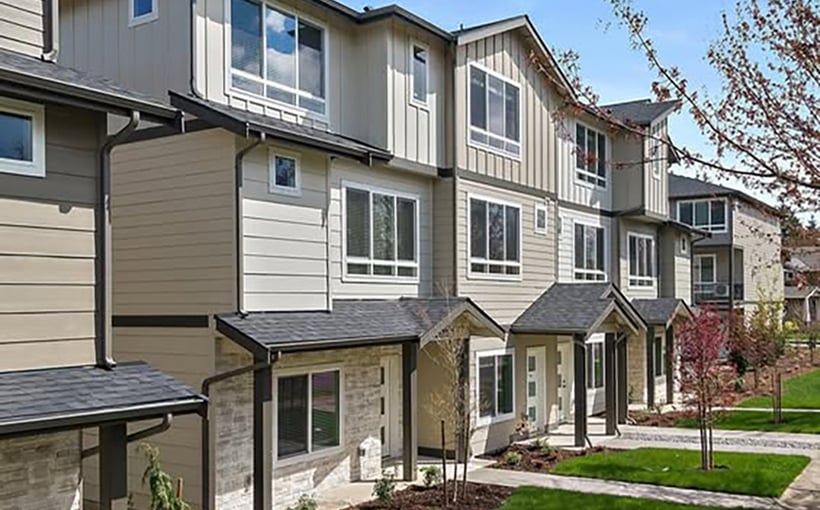
Full Occupancy, Larger Floor Plans Help Drive Chambers Reserve’s $25.5M in Acquisition Financing
Northmarq arranged a $25.5 million acquisition loan for Chambers Reserve, a 125-unit rental townhome community in Lacey, WA. According to Robert Spiro, who co-led Northmarq’s Debt + Equity team in the transaction, 100% occupancy and a differentiated housing product helped attract interest from multiple financing sources, including agency lenders and life insurance companies. “It is...
Continue reading
Brokers
View All-
Remax Real Estate Professionals
Re/Max Real Estate Professionals
-
Jared Ennis
Central CA Commercial | California
-
Rick Recckio
Recckio Real Estate & Development
-
Greg Corbin
Northgate Real Estate Group
Lenders
View AllManagement
View All-
Essex Property Trust, Inc.
California
-
Josh A
California
-
Bob Tuteur
-
Andrew Schildcrout