
Tenant Screening Secrets for Apartment Building for Sale

Imagine buying an apartment building and finding half the units overdue, one utility bill unpaid, and a string of eviction notices in the file. This oversight can cost you thousands a year and wipe out projected returns on an apartment building for sale in Michigan or anywhere else.
Tenant quality drives rent collection, repairs, and long-term value. Smart investors look at tenant screening as part of property due diligence. Below are proven screening secrets that protect income and raise a building’s market appeal.
Why Tenant Screening Matters When Evaluating Apartment Buildings for Sale
Good tenants mean steady cash. Bad tenants mean lost revenue and higher expenses. Tenant quality affects every line in the pro forma. Screening is not just HR for rentals – it’s risk control. Here’s how tenant screening touches key financial and operational areas.
-
Impact on NOI and Cap Rates
Tenant reliability affects net operating income (NOI). Consistent rent collection reduces vacancies and eviction costs. This stability supports higher cap rates and a better selling price.
-
Due Diligence Considerations
Review existing tenant files when analyzing apartment buildings for sale. Check screening forms, background checks, and how strictly applications were enforced. Review eviction history and delinquency rates closely.
-
Transition Planning
When you inherit tenants, their behavior becomes your problem. Plan a screening upgrade after acquisition. Communicate policy changes clearly and legally. Phased enforcement reduces turnover while improving portfolio quality.
The 5 Essential Tenant Screening Components
You need five checks that work together. Each one reduces a specific risk. Use them all — skipping one creates blind spots.
-
Credit History Analysis
Set minimum credit score benchmarks. For market-rate units, aim for 620+. For value-add plays, you may accept 580+ with stronger compensating factors. Credit reports show payment patterns, collections, judgments, and bankruptcies. Watch for repeated collections or recent bankruptcies – they signal payment risk.
-
Income Verification
Use the 3x Rent Rule: monthly gross income should be about three times the rent. Require recent pay stubs, tax returns, or bank statements. For self-employed applicants, request two years of tax returns. Confirm employment stability with employer contacts or direct deposit records.
-
Rental History Investigation
Call previous landlords, not just the current one. Ask about on-time payments, lease violations, and property care. Did the tenant create noise problems? Did they leave the unit clean? Prior landlord feedback is one of the best predictors of future behavior.
-
Criminal Background Checks
Stay compliant with federal and state fair housing laws. Screen for violent or property-related felonies that directly affect safety. For nonviolent or older convictions, consider a case-by-case review. Document your criteria and apply them consistently to avoid discrimination claims.
-
Eviction Records Search
Eviction history is among the strongest predictors of future trouble. Search county court records and national eviction databases. Recent evictions (within two years) carry more weight. High eviction rates among tenants lower a building’s value and scare off buyers looking at apartment buildings for sale in New York markets.
Screening Technology and Automation
Modern platforms speed up checks and keep records tidy. Technology makes screening consistent, fast, and defensible. Choose vendors that combine credit, criminal, eviction, and income verification into one report. Benefits of automated tenant screening include:
-
Consistency across applicants
-
Faster turnaround times
-
Better documentation for legal protection
Automation helps when managing multiple units. It creates audit trails that make a building easier to sell and more attractive to buyers looking at apartment buildings for sale in New York.
Master Tenant Screening, Maximize Your ROI
Effective tenant screening protects investment value. Buildings with clear, enforced screening systems command higher prices — especially when you can show consistent rent rolls and low delinquency.
If you plan to buy an apartment building for sale in Michigan or list one, evaluate tenant screening during due diligence. Quality tenants are the foundation of profitable multifamily investing. For listings, market data, and to search current inventory, visit apartmentbuildings.com.
Other News
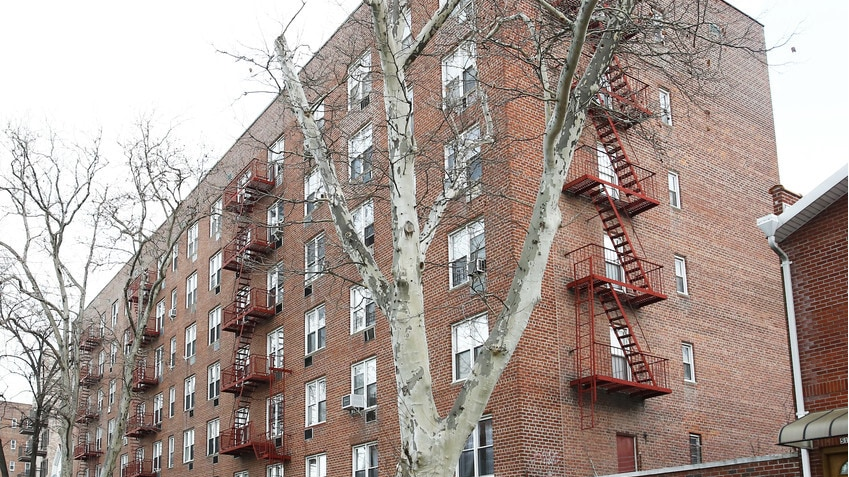
CBRE Arranges Financing for Rent-Stabilized Midwood Multifamily
CBRE originated a $15-million loan for a 175-unit rent-stabilized multifamily property located at 430 and 499 E. 8th St. in the Midwood section of Brooklyn. The financing was secured on behalf of ARM Management through Four Leaf Credit Union. The CBRE Capital Markets team of Judah Hammer, Jeff Feldman and Jack Hayes arranged the refinancing...
Learn more
Davis Provides $44M Construction Financing for Downtown Residential Conversion
JLL Capital Markets has arranged $44 million in financing for 31 Milk St., an adaptive reuse multifamily redevelopment in Downtown Boston. Managing director Anthony Cutone, director Madeline Joyce and associates Michael Schwarze and Joe Marinaro represented the borrower, Dinosaur Capital Partners and Mugar Enterprises. The three-year, senior construction loan was provided by an affiliate of...
Learn more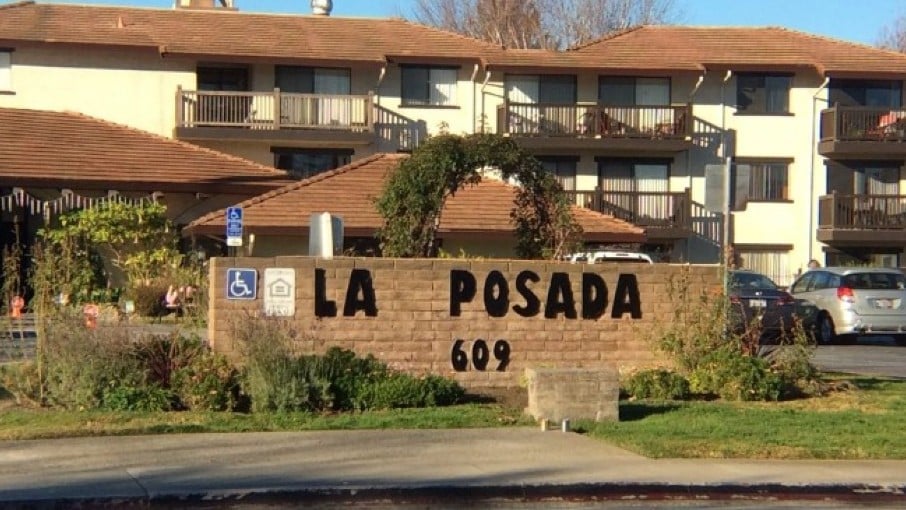
Jonathan Rose Makes Second Acquisition in Santa Cruz
Jonathan Rose Companies has acquired La Posada Apartments, a 150-unit, mixed-income community located at 609 Frederick St. in Santa Cruz. The $85-million transaction marks the ninth acquisition for the Rose Affordable Housing Preservation Fund VI and the firm’s second property in Santa Cruz. In line with its longstanding mission to preserve existing affordable housing, Jonathan Rose Companies acquired the property...
Learn more
Brokers
View All-
Remax Professionals
Re/Max Real Estate Professionals | New York
-
Jared Ennis
Central CA Commercial | California
-
Rick Recckio
Recckio Real Estate & Development
-
Eamonn McConnell
Avison Young - CA - ON - Greater Toronto
Lenders
View AllManagement
View All-
Essex Property Trust, Inc.
California
-
Josh A
California
-
Bob Tuteur
-
Andrew Schildcrout