
Senior Housing Occupancy Hits 90.4% as Supply Gap Widens

Senior housing has moved from a healthcare real estate niche to a sector that warrants close watch, according to a recent Northmarq guide for potential investors.
Understanding the Numbers
The National Investment Center for Seniors Housing & Care (NIC) said that occupancy across 31 primary markets in Q3 2026 reached 90.4%, marking the 21st consecutive quarter of gains. Independent living and assisted living occupancies averaged 91.7% and 89.1%, respectively.
At the same time, rising construction costs, higher interest rates, and tighter construction lending are slowing groundbreakings. Most new projects are in Sun Belt growth corridors and in the suburbs of major metros.
NIC reported that just over 16,000 units were under construction in the primary markets in the second quarter, split between independent and assisted living. Inventory growth held steady at 0.4% annually.
“Holding national occupancy at 90% as the population ages would require more than 100,000 new units in most years through the late 2030s,” NIC said.
“The current pace of development is 10,445 per year—roughly 10% of that requirement.”
Different from Multifamily
One issue unique to senior housing is what it includes. Northmarq breaks the sector into five categories: independent living, assisted living, memory care, skilled nursing and low-income senior housing. Independent living operates most like a conventional multifamily. Skilled nursing is the most operationally intensive and the most tied to government reimbursement.
“For investors coming from conventional multifamily real estate, the biggest adjustment is understanding that senior housing is an operating business layered on top of real estate,” the report said. “Property performance is tied directly to the quality and stability of the operator, not just the physical asset or the local rental market.”
In addition to operator expertise and quality, other factors that impact senior housing value include:
- Proximity to adult children and medical facilities.
- Strong growth in the number of residents age 75 and older.
- High barriers to new construction.
- Modern units with private rooms and bathrooms.
- A mix of private-pay and government revenue.
Factors that can hurt performance include operator turnover, financial distress and deferred maintenance. New competition in smaller submarkets, heavy reliance on Medicaid and Medicare and rising labor costs are also issues.
What to Know
Northmarq mentioned trends that bear watching for investors interested in moving into the senior housing space:
- Multifamily convergence, as operators rely on revenue management systems and apartment-style amenities.
- Increasing middle market demand, with opportunities for investors and operators willing to design and offer housing geared to more accessible price points.
- Technology advancements, including remote monitoring, telehealth and smart building systems.
- Capital markets recovery, with the return of debt and equity following post-pandemic distress.
- Operator consolidation, which could generate acquisition and recapitalization possibilities.
The report noted that senior housing is a distinct asset class. It’s not an extension of multifamily or even traditional healthcare real estate.
“For investors evaluating how to invest in senior housing, understanding the sector’s fundamentals is an important first step,” Northmarq said.
“Occupancy trends, demographic growth, competitive supply, operating performance and operator experience all play a role in asset performance.
Photo: AI Generated
Other News

Shrinking Construction Pipelines Could Extend CRE Rent-Growth Runway
When determining commercial real estate strategies, many investors focus on demand. However, Marcus & Millichap’s October 2026 Construction Outlook research brief said that demand tells only half the story. Long-term supply trends also affect vacancy and rent growth, so supply outlooks should play a prominent role in CRE planning. Construction tends to lag market conditions,...
Learn more
Manitoba Cuts Landlords’ Capital Cost Recovery By 40%
Manitoba is tightening the rules on how apartment owners recover renovation costs through rent increases, potentially making upgrades to older rental buildings less attractive. The province says it will reduce, by 40%, the capital expenses landlords can pass on to tenants through above-guideline rent increases. Those applications allow owners to seek higher rents for qualifying...
Learn more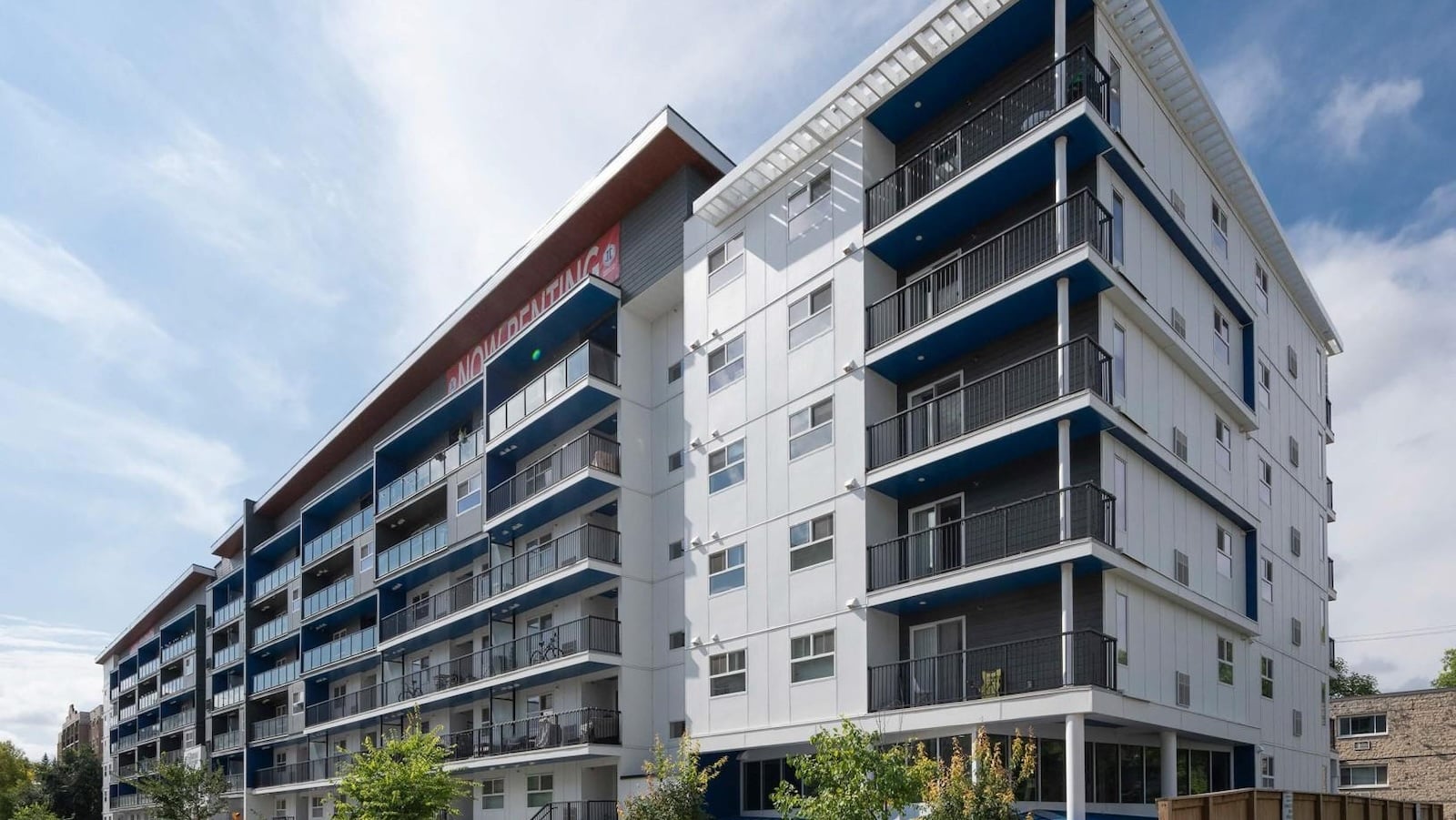
Centurion Sells 143-Unit Winnipeg Rental Property In Portfolio Shift
Centurion has sold a 143-unit apartment building in Winnipeg as it shifts its focus to markets where it has a larger presence. The Toronto-based company announced the sale of Urban Square at 230 Good St. on Wednesday. The property was constructed by Ironclad Developments in 2021 and acquired by Centurion that October. Urban Square was...
Learn more
Brokers
View All-
Remax Real Estate Professionals
Re/Max Real Estate Professionals
-
Jared Ennis
Central CA Commercial | California
-
Rick Recckio
Recckio Real Estate & Development
-
Greg Corbin
Northgate Real Estate Group
Lenders
View AllManagement
View All-
Essex Property Trust, Inc.
California
-
Josh A
California
-
Bob Tuteur
-
Andrew Schildcrout