
Inside Goodin Development’s Model: A Calculated Approach to Ground-Up Development
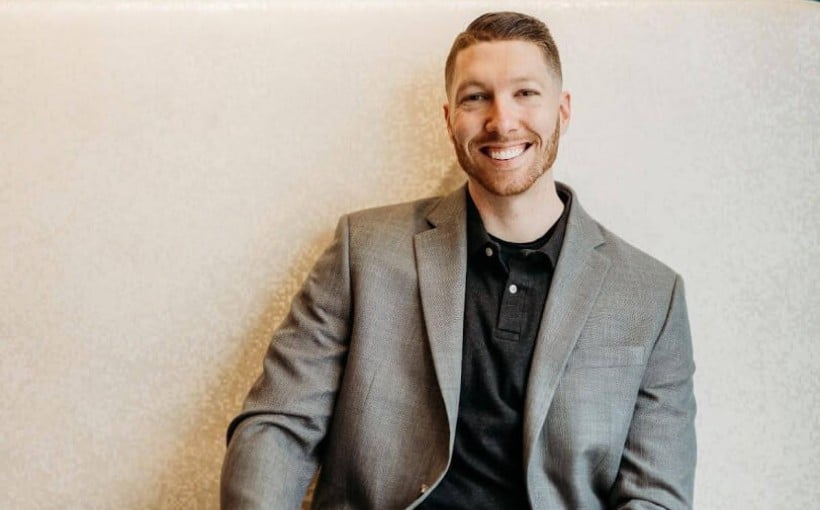
While today’s market has many investors sitting on the sidelines, Justin Goodin, founder and CEO of Goodin Development, sees a window of opportunity—especially in ground-up multifamily development. With years of experience in underwriting and finance, Justin knows how to structure deals that balance risk, return, and long-term stability. Through Goodin Development, he’s focused on building luxury mixed-use communities while helping investors generate long-term, passive income. In this Q&A, Justin breaks down how the model works—and why now is a smart time to invest in new development.
Q: What risks should investors understand before investing in a development project, and how does your firm mitigate them?
A: All investing involves risk—no doubt about it. However, there are many ways risk can be mitigated, especially with ground up development projects. At Goodin Development, we take a structured, disciplined approach to reduce unknowns and protect our investors.
First, we always lock in a guaranteed maximum price (GMP) contract with our general contractor. While a GMP isn’t perfect, and certain costs like approved change orders or unforeseen conditions can still be the developer’s responsibility, it remains one of the strongest tools for controlling construction risk. We also budget for strong contingencies to cover unforeseen costs, maintain reserves for lease-up, and leave the majority of our fees in the project as added protection. That way, if something unexpected comes up, we already have capital available to solve the issue.
We also believe in consistency. We use the same construction company, architects, and engineers across many of our projects. These long-term relationships mean we’re working with people we trust—who know our standards and how we operate. That familiarity gives us more control and predictability throughout the process. In short, we remove as much guesswork as possible.
Q: What financial metrics do you review to understand if a development project will be profitable?
A: We rely heavily on financial metrics like debt service coverage ratio (DSCR), profit margin, and untrended yield on cost to evaluate a project’s feasibility. Specifically the untrended yield on cost helps us evaluate our return based on the total cost to build the project. It’s the most fundamental way to know if we are creating value. I compare this number to the market cap rate for stabilized deals.
We also take a close look at projected operating expenses and stress test them against local market rents and income levels. Average household income tells us whether residents can afford our rents—and that’s key to leasing velocity. On the back end, we underwrite a conservative exit cap rate and distinguish a separate cap rate for both the residential and commercial components of the project. We plan for a realistic valuation at the time of sale, which protects both our investors and the project.
But it’s not just about numbers—it’s also about location. Location is by far the most important factor we look at and nothing else matters unless we are building in the absolute best location, in the best market. When evaluating a market, we look for supply constrained areas with a positive influx of new jobs and population.
Q: In a higher interest rate environment, how do you continue to pencil new deals profitably?
A: Higher interest rates make every project difficult to pencil. One unique thing about Goodin Development is that we focus on public-private partnerships. We find ways to partner with municipalities to build extraordinary mixed-use projects in their communities that wouldn’t be financially feasible otherwise. These partnerships are a win-win scenario for the developer and the municipality. Public private partnerships reduce our cost basis to build the project and in return, the municipality receives a high quality community that provides housing, creates jobs, and provides lasting economic benefits.
When many groups are sidelined as a result of various economic factors, we’re staying active by collaborating with municipalities. It’s a key part of our business model—and one reason we’ve been able to keep moving forward while others wait.
Q: Is 2025 a good time to be investing in development?
A: Yes, 2025 is a fantastic time to invest in ground-up development. The supply of new multifamily projects coming online is projected to significantly decrease, which I refer to as the ‘supply cliff.’ National data shows that by 2027, we could see multifamily deliveries drop to levels we haven’t seen since 2013. That drop in supply, combined with steady demand for apartments, could put tremendous pressure on rents to grow in the coming years. It goes back to the simple fundamentals of supply and demand. If demand stays high, while supply drops, rent prices will increase.
Developers who break ground now are positioning themselves ahead of the curve. Projects started in 2025 will be coming online in 2027 or 2028, which looks like it could be an optimal environment as a result of less supply and less competition.
There’s also a broader shift happening in the investment market. Many groups that once chased older value-add deals that were built in the 1970s and 1980s, are now targeting newer vintage assets. Newly constructed properties have less repair and maintenance issues, better quality residents, and present far less risk than your typical older property that was built 50 years ago. In a market where older assets are falling out of favor, new development will be very competitive if a developer chooses to sell their projects.
Other News
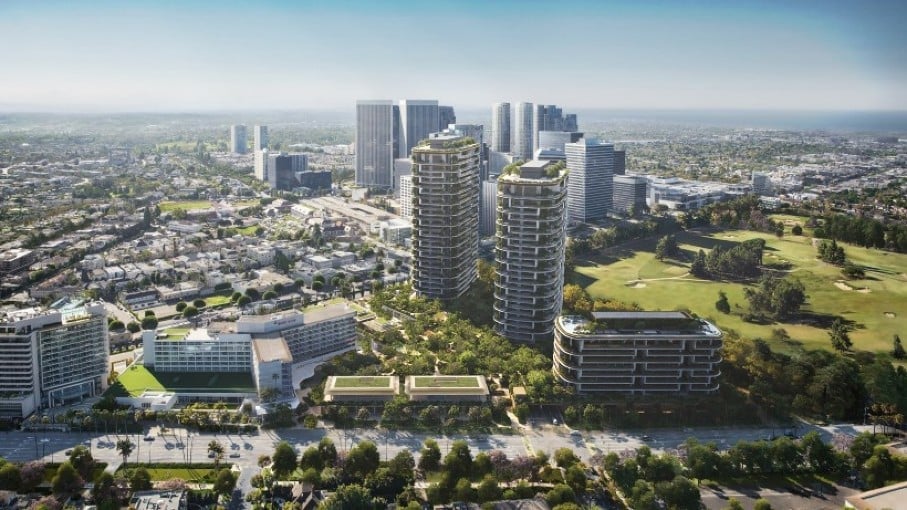
One Beverly Hills Reaches Milestones Ahead of Schedule
The development team behind One Beverly Hills (1BH) said construction on the $10-billion luxury mixed-use project is proceeding ahead of schedule. The Beverly Hilton expansion structure topped out approximately 10 weeks ahead of schedule and one of the residential towers is progressing six weeks ahead. “This was accomplished while significant operations were maintained at The...
Learn more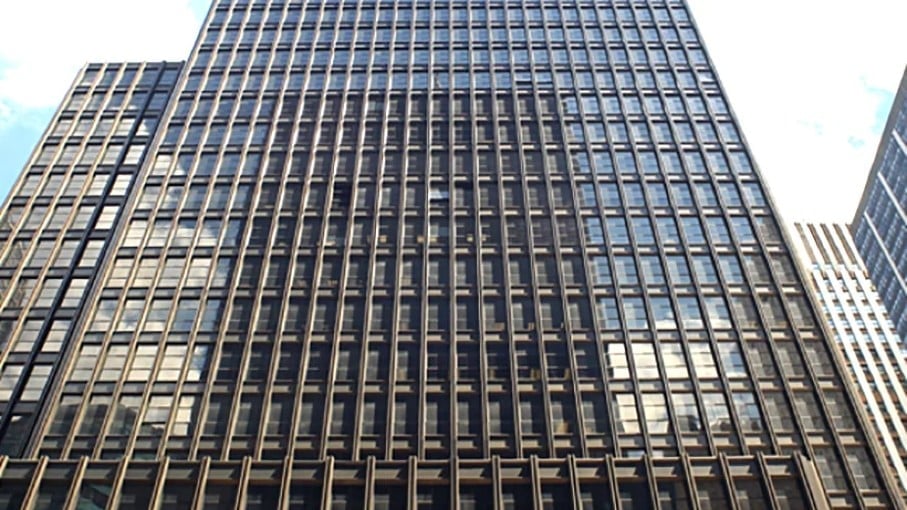
Metro Loft, David Werner Secure $231M Loan for Midtown East Residential Conversion
Northwind Group has originated a $231-million first mortgage construction loan for 675 Third Ave., a 32-story, 337,000-square-foot office building in Manhattan’s Midtown East neighborhood that is slated for conversion into residential apartments. The conversion is being led by a joint venture between Nathan Berman’s Metro Loft Management and David Werner Real Estate Investments. Loan proceeds...
Learn more
Rental Affordability Declines in Most Metros, but Improved Housing Quality is a Factor
Rental housing affordability declined in 82% of U.S. metropolitan areas between 2014 and 2023, with renters experiencing the equivalent of an average $256 annual reduction in income after accounting for changes in housing quality. That’s according to a new report released Tuesday by the Mortgage Bankers Association’s Research Institute for Housing America. The report, Housing...
Learn more
Brokers
View All-
Remax Real Estate Professionals
Re/Max Real Estate Professionals
-
Jared Ennis
Central CA Commercial | California
-
Rick Recckio
Recckio Real Estate & Development
-
Greg Corbin
Northgate Real Estate Group
Lenders
View AllManagement
View All-
Essex Property Trust, Inc.
California
-
Josh A
California
-
Bob Tuteur
-
Andrew Schildcrout