
Legal Guide to Buying Apartment Buildings for Sale in Florida

Florida’s real estate market is booming. Investors see big potential and strong demand. Whether in Miami, Orlando, or Tampa, multi-unit properties attract serious interest. But buying multi-unit apartment buildings for sale in Florida isn’t simple.
From landlord rules to zoning codes, knowing local law matters. Clarity is the key. Cutting legal corners costs, but doing it right protects profits. But knowing the rules and having proper legal guidance makes it a lot simpler.
Legal Tips for Investors Buying an Apartment Building in Florida
Buying an apartment building for sale in Florida might be daunting. But with a few tips, you can avoid unnecessary problems and complications. Here are some tips to follow before you start looking for properties.
-
Understand Florida’s Unique Property Laws and Regulations
Florida isn’t like other states. Specific rules govern rentals, zoning, and coastal risks. Know them before you invest. Some rules and regulations are listed here for your convenience –
-
Florida Landlord-Tenant Act
This law spells out landlord and tenant rights. Notice periods, rent rules, and security deposit handling, all of them are fixed in statute. You must follow them properly.
-
Condo vs. Apartment Regulations
A building governed by a condo association has different rules from those of a typical apartment building. Fee structures, bylaws, and unit owner rules vary. Know what type you’re buying.
-
Local Zoning and Building Codes
Florida cities each set zoning rules. They affect density, parking, and use. Building codes also matter, especially for renovations or expansions.
-
Conduct Thorough Due Diligence and Title Research
Florida’s property history can get messy. Start with a strong title search. You may encounter old liens, unclear easements, or even buried mineral rights. Get a full survey too. This protects against boundary disputes—especially in coastal areas where markers shift over time.
Review any existing lease agreements. Tenants may have rights you’re inheriting. Check for environmental hazards too. You may need a Phase I or II environmental assessment depending on location and prior use. This helps you avoid serious cleanup liability later.
-
Navigate Financing and Tax Considerations
Money matters move fast. Get financing right and understand taxes. This keeps your returns healthy. Commercial loans have tighter terms than residential loans. You’ll need larger down payments, shorter amortization, and stricter financials.
Remember, Florida charges a Documentary Stamp Tax on deeds that often equals a small percentage of the property price. Budget for it. And don’t waive financing contingencies in your contract. They protect you if your loan falls through. Make sure you are well-informed about the insurance needs, cap rates, and cash flow as they affect your bottom line.
-
Structure Purchase Agreements to Protect Your Interests
A strong contract protects you. Draft it carefully with your lawyer. The essential contingencies include inspection, financing, and appraisal contingencies. They give you a safe exit if serious issues show up.
Keep your deposit refundable if contingencies fail. Do not just assume it’s safe. Florida closings might get held up by title or HOA delays. Build a cushion into your timeline. Use assignment clauses if you plan to move the agreement to an LLC. It helps shield your personal liability.
-
Plan for Post-Purchase Legal Compliance
If you think closing the deal marks the end of it, think again. Once you have closed the deal, then comes the post-purchase legal compliance. Keep up with the rules so that you can stay out of trouble. Use an LLC or corporation to hold the property. It protects your personal assets if something goes wrong.
Depending on scale, Florida may require a property manager to be licensed. Follow federal and state fair housing laws. Avoid discriminatory ads or tenant screening practices. Keep policies up to date and records of lease, receipts, repair docs, and tenant communications.
Florida requires deposit handling in a trust account or with notice. Follow the exact process for return or withholding. The state has strict eviction rules and timelines. Follow them. And make sure your rental stays well maintained and habitable.
Protecting Your Florida Real Estate Investment
From understanding Florida’s rules to protecting yourself post-closing, each step lowers risk and keeps profit on track. A smart investor would always consult with a real estate attorney to know the law, catch pitfalls, and tackle paperwork. You don’t have to do it alone.
For more listings and support, check out ApartmentBuildings.Com—a trusted resource for apartment buildings for sale in Florida. Explore listings on the site to find your ideal apartment building for sale. Even if you are looking for apartment buildings for sale in New Jersey or any other US state, you will find it all here.
Other News
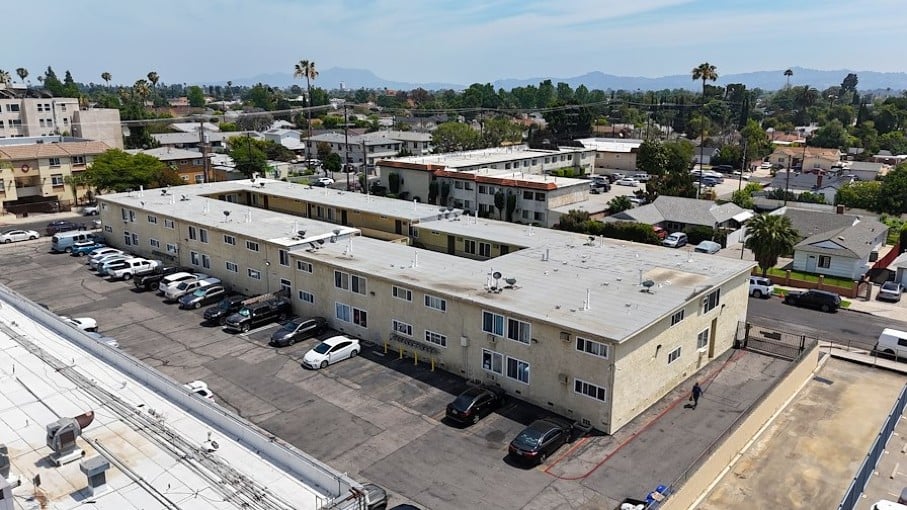
North Hollywood Apartments Trade to Locally Based LLC
Marcus & Millichap has finalized the sale of 13103 Barbara Ann St., a 41-unit multifamily property in North Hollywood. The property sold for nearly $5.89 million, or $143,610 per unit, and closed escrow at a 5.7% cap rate based on in-place income. “The property had been under the same ownership for more than 30 years,...
Learn more
Charney Companies, Tavros Break Ground on Fifth Gowanus Development
Charney Companies and Tavros recently celebrated the groundbreaking of 175 Third St. in Gowanus, Brooklyn. The 27-story mixed-use tower, the newest addition to the Gowanus Wharf development, will house more than 1,000 apartments, approximately 250 of them affordable. Designed by Bjarke Ingels Group (BIG) and dencityworks, the project will also include a 28,000-square-foot public waterfront...
Learn more
JLL Arranges $276M Refi for Newport Beach Seniors Communities
JLL Capital Markets arranged $276 million in refinancing for Vivante Newport Center and Vivante Newport Mesa, a two-property seniors housing portfolio in Newport Beach. Senior managing director Greg Brown, assisted by senior managing director Aaron Rosenzweig worked on behalf of the borrower, an affiliate of Nexus Development, to secure two uncrossed loans for the portfolio....
Learn more
Brokers
View All-
Remax Professionals
Re/Max Real Estate Professionals | New York
-
Jared Ennis
Central CA Commercial | California
-
Rick Recckio
Recckio Real Estate & Development
-
Eamonn McConnell
Avison Young - CA - ON - Greater Toronto
Lenders
View AllManagement
View All-
Essex Property Trust, Inc.
California
-
Josh A
California
-
Bob Tuteur
-
Andrew Schildcrout