
Montreal Developers Say REM Costs Are Squeezing Transit-Oriented Projects
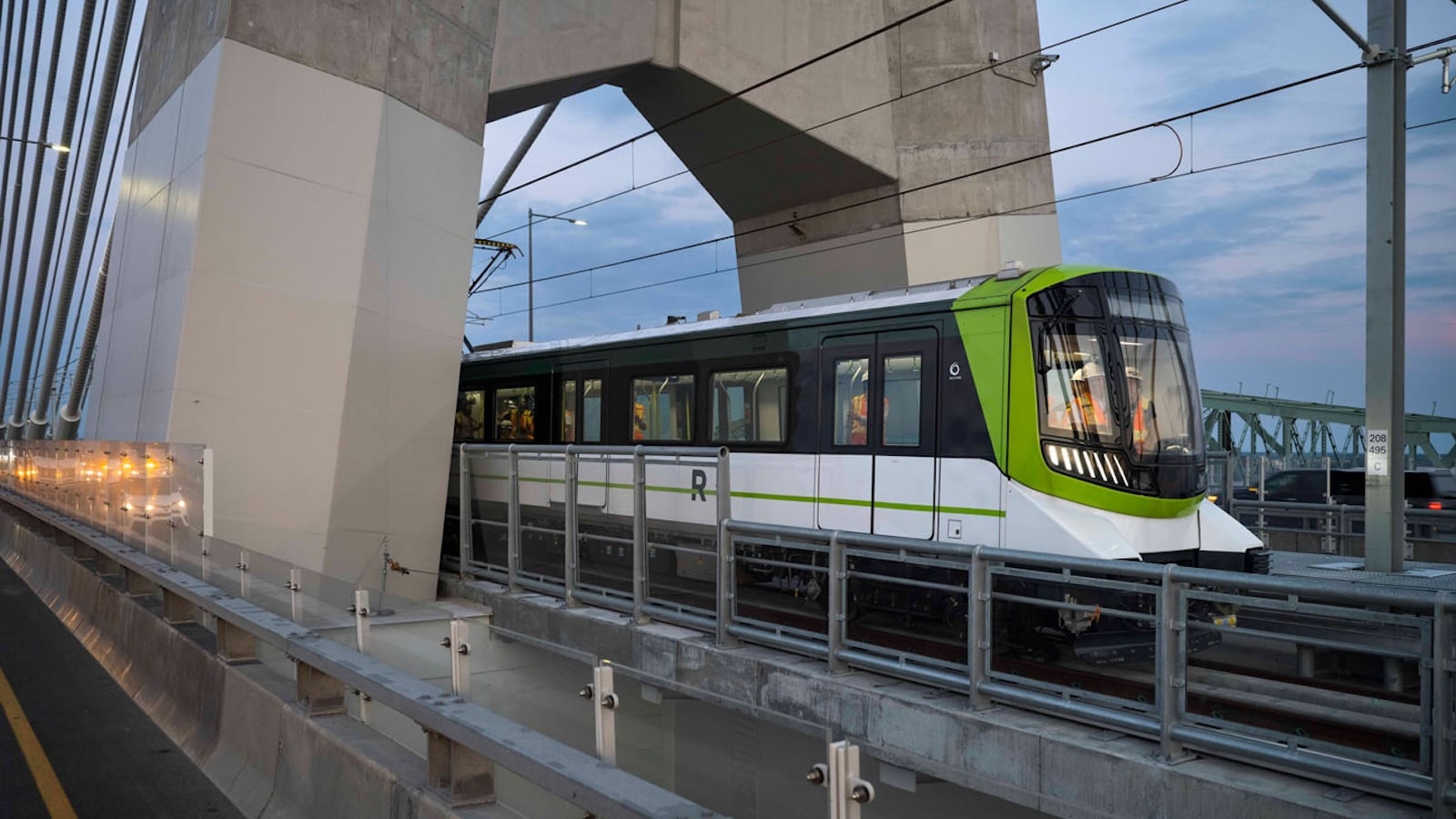
Montreal developers say the REM is making transit-accessible real estate more attractive, but warn the growing cost of building around the network could undermine some of the development it was intended to encourage.
Executives from Mondev, Rosefellow and Cadillac Fairview raised the concerns during a discussion at Connect CRE Montreal, pointing to transit levies, municipal fees, infrastructure contributions and higher construction costs.
“We’ve paid millions of dollars in REM taxes for a station that’s not yet been built,” said Jordan Owen of Mondev, which has developed several projects in Griffintown.
The Réseau express métropolitain, or REM, is a 67-kilometre automated light-rail network serving Greater Montreal, with some sections already in operation and others, including Griffintown–Bernard-Landry, still in development.
The REM charge applies to new developments and redevelopments near stations. For qualifying projects, the levy is calculated based on floor area and paid when the municipality issues a construction permit.
ARTM, the regional transit authority, says the levy reflects the increase in real estate value created by the REM and helps fund the system, with up to $600M expected over 50 years.
Developers do not dispute that transit can create value. Their concern is what happens when the REM levy is added to a broader stack of development costs.ities, to incite development — that was the whole sales pitch,” Parent said. “And right now, a lot of the projects are halted.”

Rosefellow executive vice-president Kristopher Parent said that cumulative burden can work against the goal of encouraging new projects around transit.
“What the REM was created to do — to connect communities, to incite development — that was the whole sales pitch,” Parent said. “And right now, a lot of the projects are halted.”
Cadillac Fairview’s Jeroen Henrich said the same pressure is showing up well beyond the REM, with developers increasingly asked to contribute to parks, schools, affordable housing, roads and other infrastructure.
He said the problem is not any one requirement, but the cumulative effect.
“We can’t do it all. We can do a sprinkling of everything, but the pro forma is the pro forma,” he said. “And if we just keep driving up the pro forma costs, it’s just going to keep driving rents.”
A recent Urban Development Institute study found indirect development costs in Quebec rose 95% between 2019 and 2024 and can add $30K to $60K to the cost of a new housing unit.

Transit Still Drives Development
For all the concern about cost, the panel was not arguing against transit investment. Developers still see it as central to where Montreal grows next.
Thierry Samlal of PMML said the opportunity is to add more density around stations that historically have not been fully developed.
“We built the metro stations a long time ago, but we never densified around them enough,” Samlal said, adding that he expects more development to gravitate toward public transportation.
That demand is not limited to residential development. Parent said access to public transportation has become increasingly important to industrial landlords and tenants as companies compete for workers.
“Is there a bus line in front of my building? Not five minutes from the building. Is there a bus line right there?” Parent said of questions prospective tenants now ask.
Up Next | Connect CRE Montreal is followed by Connect’s next Canadian event, Connect Alternative Real Estate in Vancouver on Oct. 15, bringing together investors, developers and operators across sectors including student housing, seniors, hospitality and other alternative asset classes. Learn more and register here.
Other News
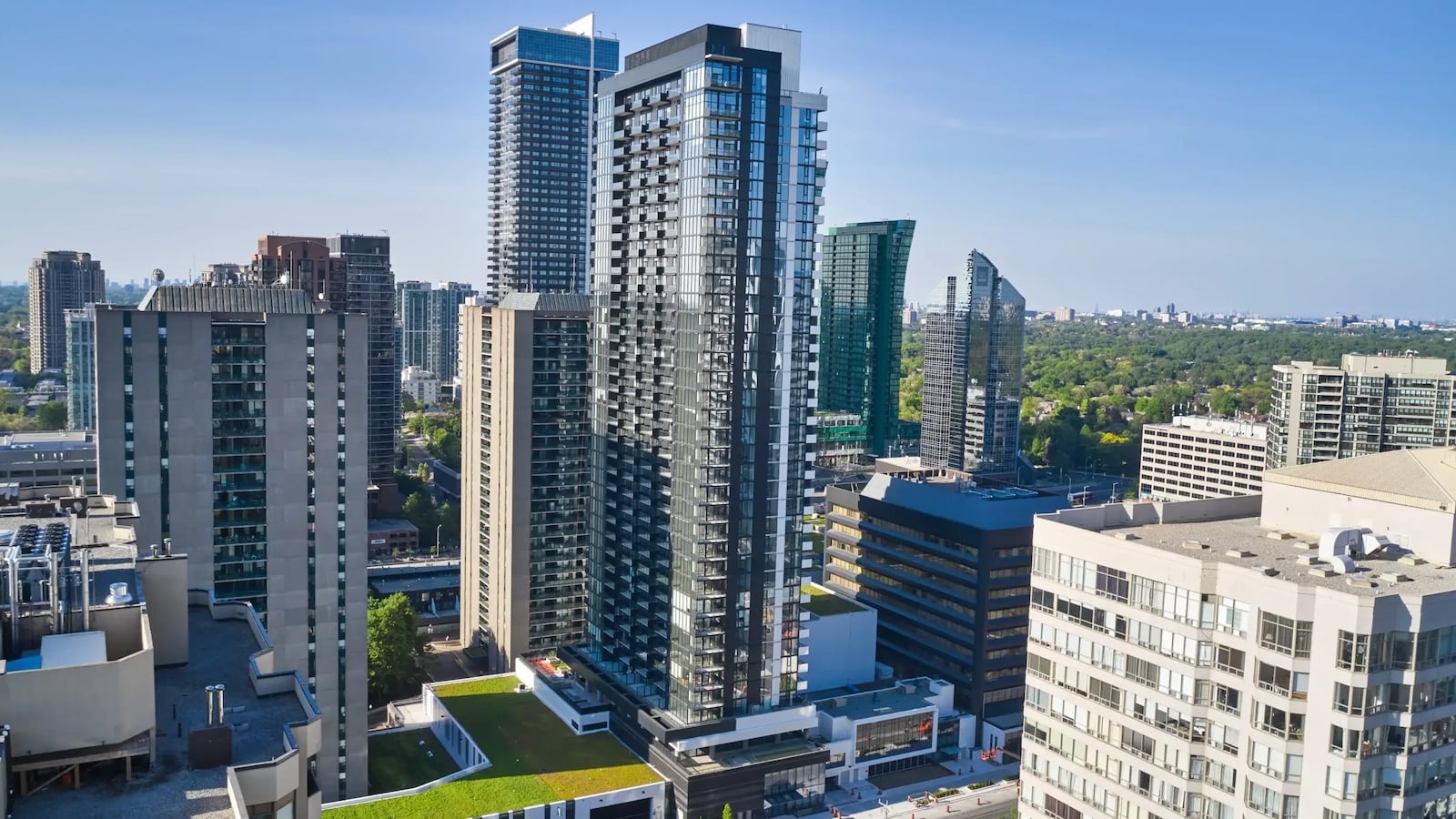
BGO Acquires Toronto, Victoria Rental Assets Totalling 580 Units
BGO has acquired two Canadian rental assets totalling 580 units on behalf of an institutional investor, adding properties in Toronto and Victoria to its purpose-built rental portfolio. The transactions include RioCan’s remaining 50% interest in Pivot, a 36-storey, 361-unit rental tower at 35 Greenfield Ave. in North York. The acquisition gives BGO’s institutional investor full...
Learn more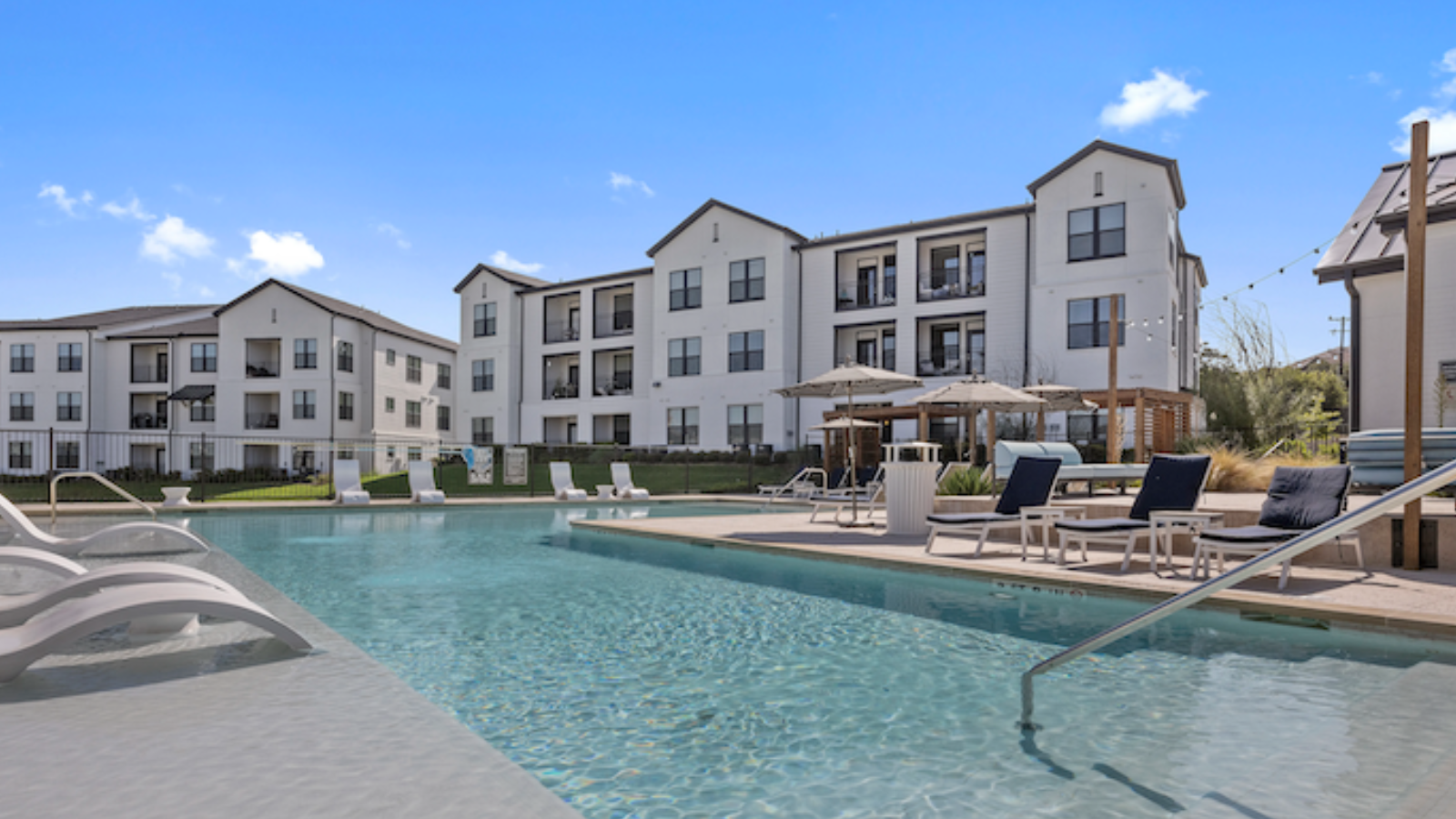
San Antonio Investor Scores Financing for 312-Unit Rental Asset
Strategic Property Investment has secured a $40.3 million loan for Birwood Heights, a 312-unit community in San Antonio. Multihousing News reports the non-recourse bridge loan features a three-year initial term with a stabilized 6.45 percent debt yield and 80 percent LTV, which would value the property at $50.4 million. Birwood Heights was delivered in 2019....
Learn more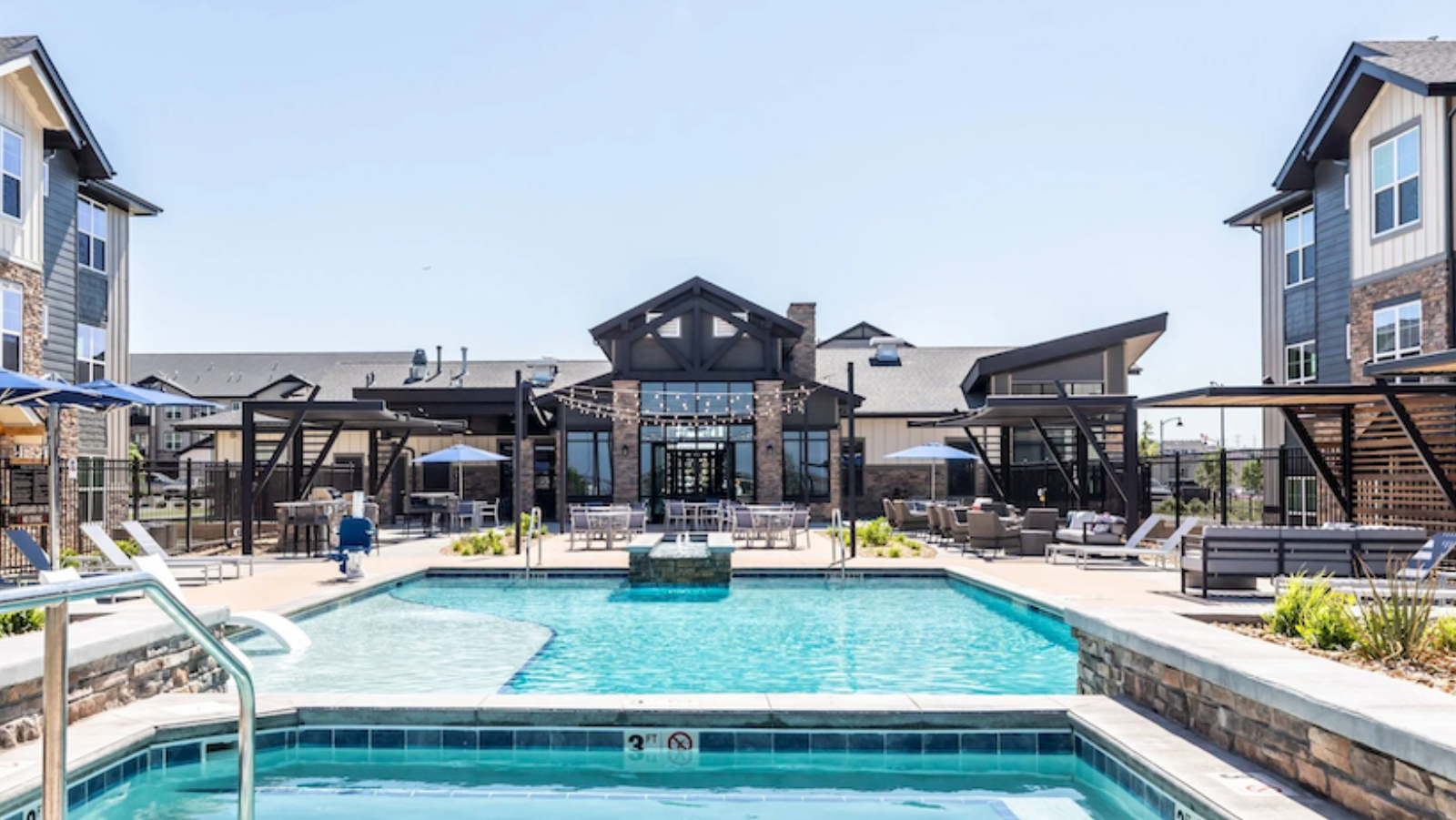
29th Street Trades Aurora Apartment Community for $72.5M
29th Street Capital sold the Peakline at Copperleaf apartments for $72.5 million, a significant dip from the price the company paid for the property four years ago. The company paid $104 million from the development iin 2022. Multifamily News reports that the Michelson Organization acquired the property with the help of a $30.6 million five-year...
Learn more
Brokers
View All-
Remax Professionals
Re/Max Real Estate Professionals | New York
-
Jared Ennis
Central CA Commercial | California
-
Rick Recckio
Recckio Real Estate & Development
-
Eamonn McConnell
Avison Young - CA - ON - Greater Toronto
Lenders
View AllManagement
View All-
Essex Property Trust, Inc.
California
-
Josh A
California
-
Bob Tuteur
-
Andrew Schildcrout