
Investors Eye the Sunbelt for the Right Multifamily Deals

For the past two years, the multifamily market in the Sunbelt states has struggled with record unit deliveries, rising interest rates and softening rent growth. While those factors remain in play, many investors are starting to see opportunities amid supply overhang and sluggish rent growth.
Rather than avoiding the region, investors and captial are looking at well-located properties backed by experienced sponsors and realistic underwriting. Industry experts told ApartmentBuildings.com that the conversation is shifting from whether to invest in the Sunbelt to where, and at what price.
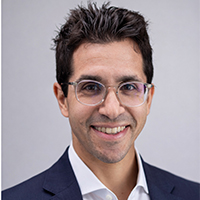
“The market has become much more disciplined,” said North River Partners’ Managing Partner Jeff Rosenfeld. “Investors and lenders are taking a much closer look at fundamentals than they did several years ago.”
Buying versus building
Multifamily properties built post-pandemic are generally trading at values below what it would cost to build that same product today. This can provide a basis for patient investors who support a post-demand story.
But there’s more involved than buying below replacement costs.
“It’s buying below replacement cost in a market that can recover,” Rosenfeld said.
Investors have been showing interest in Sunbelt assets over the past two years. However, they aren’t going on buying sprees.
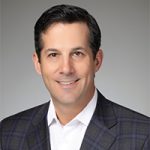
“Investors are continuing to be selective and I expect that stance to hold until early next year,” said Garrett Karam, Chief Investment Officer with EMBREY.
Capital is selective
The experts said that debt and equity are available for multifamily acquisitions and developments, but it’s undergoing more scrutiny than during the post-pandemic boom.
On the equity side, investors are typically contributing larger amounts of capital as loan proceeds decline. According to a Northmarq analysis, transactions that don’t consider today’s financing environment, replacement costs or exit risks can struggle to attract investment. Likewise, deals purchased at prices that don’t reflect current cap rates have become more difficult to finance.
Debt underwriting has also evolved.
“Gone are the days of underwriting based on aggressive projected rent growth,” Rosenfeld said.
Instead, lenders are placing greater emphasis on submarket supply, lease-up assumptions, concessions, sponsor strength and projected exit cap rates.
“You are seeing lower leverage, more scrutiny around rent growth assumptions and a greater focus on sponsorship and liquidity,” Rosenfeld said.
That conservative approach is evident in markets that continue to absorb large numbers of new apartment deliveries. Lenders want confidence that borrowers have sufficient liquidity to weather a slower lease-up or an extended period of flat rents.
Caution replaces exuberance
Today’s lending environment isn’t about a lack of capital as much as it reflects prudence.
“Lenders are a bit stricter because they’re more concerned about owning bad real estate than they were in years prior,” said Benjamin Gutkin, Principal with JAG Development. “However, you can find lenders who are more flexible. There are still all sorts of avenues for capital.”

Instead of relying on optimistic assumptions, investors are spending more time evaluating neighborhood-level supply pipelines, employment growth and long-term demand drivers before committing capital.
So, deals are getting done. But only when the fundamentals are in the right place.
Beyond the supply wave
While oversupply remains a near-term challenge across several Sunbelt metros, many investors believe the imbalance will eventually correct itself as new construction slows, population growth continues, and other factors support a healthy multifamily narrative.
With apartment construction expected to moderate over the next several years, some believe today’s environment presents an attractive entry point for long-term owners.
“In five years, I’m expecting strong asset performance and value creation,” said Karam. “I believe investors who commit to new projects now will be glad they did.”
For many multifamily investors, the question is no longer whether the Sunbelt will recover. Instead, the focus has shifted to identifying the markets, assets and sponsors best positioned to benefit when the current supply wave recedes.
Other Features
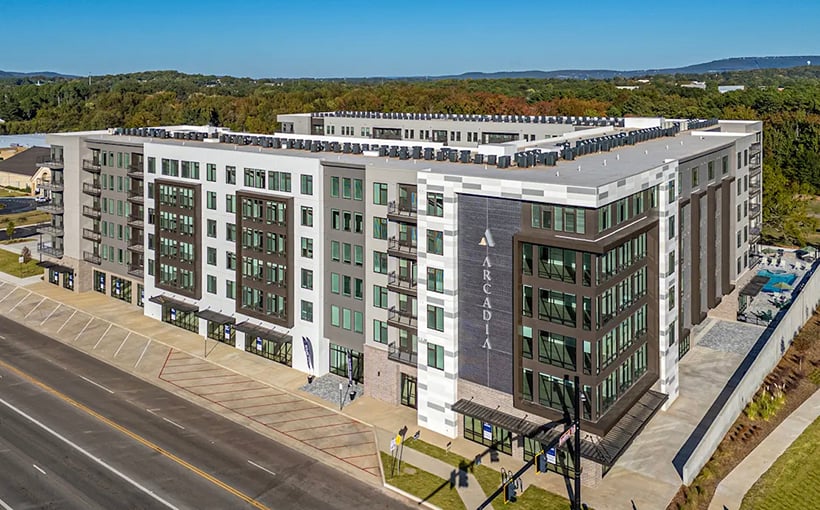
250-Unit Arcadia Huntsville Lands $53M Refi to Replace Construction Loan
Bobo Development Group and its limited partner Revitate obtained $53 million in senior refinancing for the two-year-old Arcadia Huntsville at 4810 Bradford Dr. NW in Alabama. JLL Senior Managing Director Gregg Shapiro told ApartmentBuildings.com. that a debt fund provided the loan, which will replace the original construction loan. “The property was capitalized with Opportunity Zone...
Continue reading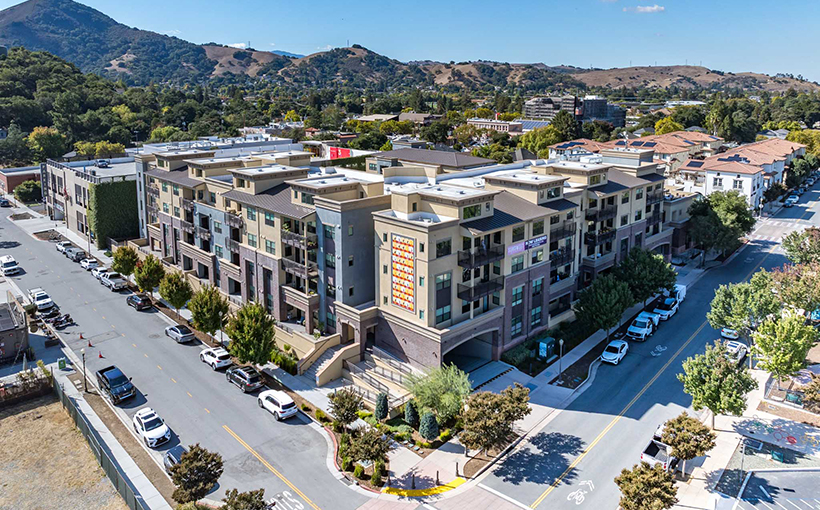
Multifamily Deals Span California, Carolinas and Beyond
Photo: Sunsweet Apartments, Courtesy of Northmarq Multifamily transactions continued to move across a range of markets, from a $45 million sale in Morgan Hill, California, to construction financing for a 24-unit condominium project in Arcadia. The latest deals also include apartment sales in Nebraska and South Carolina, refinancings in Colorado and North Carolina, and financing...
Continue reading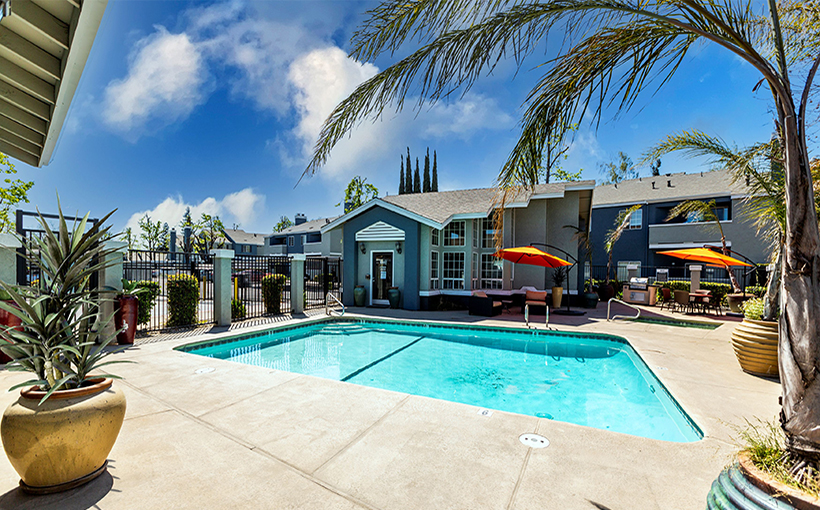
3.8% HUD Loan Assumption Attracts 10+ Bidders for $26.6 Million Modesto Apartment Sale
A Southern California family office made its first Modesto multifamily acquisition by purchasing the 100-unit Marc at 1600 for $26.6 million through a 1031 exchange. The buyer was one of more than 10 bidders for the property, which was marketed by The Mogharebi Group (TMG) of Costa Mesa, CA, on behalf of seller Tesseract...
Continue reading
Brokers
View All-
Remax Real Estate Professionals
Re/Max Real Estate Professionals
-
Jared Ennis
Central CA Commercial | California
-
Rick Recckio
Recckio Real Estate & Development
-
Greg Corbin
Northgate Real Estate Group
Lenders
View AllManagement
View All-
Essex Property Trust, Inc.
California
-
Josh A
California
-
Bob Tuteur
-
Andrew Schildcrout