
Rental Roulette: You Can’t Out-Pivot Broken Economics

By Mark Goodman, Ian Brackett and Megan Johal, Goodman Commercial
Across Metro Vancouver, a rethink is underway in developer boardrooms. Strata-condo projects conceived in a hot presale market are stalling. Buyers have balked, financing conditions have tightened, and proformas no longer pencil. So, many developers are contemplating the pivot to market rental – an option that might work in some cases. But jumping into rental as some kind of silver bullet could drag underprepared developers into a deeper hole than they are in already.
The appeal of the pivot seems obvious. Rental projects can launch without hitting presale targets, and in a city with a chronic housing shortage, the demand case for rental seems straightforward. For a developer holding an approved site with sunk entitlement costs, the logic tracks: If you cannot sell the units, rent them instead.
The problem is that the rental market they are pivoting into looks nothing like the one that existed two years ago. Metro Vancouver vacancy rates, once near zero, have climbed as a wave of new supply has come online just as economic growth and immigration have stalled. Projects that operators expected to lease up in three to four months are now taking a year or more. And rents on newly listed units have softened from their peaks, forcing developers to offer significant incentives to fill units. The tenants are out there – but they have options now, and they are taking their time.
The revenue challenge is compounded by what happens at exit. Capitalization rates in the Metro Vancouver multi-family market have increased, depressing the value of completed rental buildings. In almost every submarket, the price per square foot achievable on a completed rental building is lower than for an equivalent-sized condo building sold out unit by unit. That gap has always existed – it is the inherent trade-off of building rental – but it is worth bearing in mind when you are trying to rework a project that was conceived under a different set of assumptions. If it can’t withstand a reduction in presale prices, will it fare any better as a rental?
Whether condo or rental, developers need to stress-test their proformas against today’s values.
Then there is the question of capital. Unlike strata projects, where presales give developers a chance to lock in pricing before starting construction, rental buildings go up entirely on spec. Rents and asset values are not solidified until the building is complete and ready for occupancy. Rental projects have always demanded patient capital – but in the current environment, with lenders tightening their criteria and investors growing more selective, that capital is harder to assemble than ever.
The capital challenge doesn’t end there. Developers closing out projects today are seeing firsthand what a market shift can do – purchase offers are routinely coming in below replacement cost. Developers who can’t tolerate a loss will have to hold the asset until market conditions improve. That is not necessarily a bad thing, but it requires deep pockets and a long enough horizon to see it through. A developer who pivots to rental without modelling a five-to-ten-year hold is making a bet they may not be able to back.
There is also a competitive dynamic that tends to get overlooked. Many otherwise-stranded strata buildings are not simply sitting empty; they are entering the rental market themselves, as developers look to bulk-sell unsold inventory at discounted prices to investors, who will list those units for rent. As condo prices fall, many would-be tenants are also looking to buy units themselves. Buyers and tenants in many Metro Vancouver submarkets now have genuine alternatives and the current supply glut will take time to clear out, putting further downward pressure on both the presale market and market rents for new purpose-built projects.
None of this is an argument against rental development. The region needs more rental housing, and purpose-built supply remains the most stable and enduring way to create it. But the pivot from condo to rental is not a simple reset. It is a fundamentally different business requiring different capital, more patience, and a clear-eyed view of market conditions that have shifted substantially from where they stood when many of these projects were envisioned.
Developers who navigate this moment successfully will be the ones who understand the nuances in shifting to a new business model, have the equity to weather a longer hold, and the patience to recognize and accept that this is not a quick fix.
Mark Goodman, Ian Brackett and Megan Johal are brokers at Goodman Commercial, which specializes in the sale of rental apartment buildings and development sites in Metro Vancouver. They also publish The Goodman Report. This analysis is republished with the permission of Goodman Commercial
Pictured: A 1.18-acre multi-family development site in Surrey, B.C., that Goodman Commercial is listing as part of a court-monitored sale due to the developer’s difficulties meeting its debt obligations.
Photo: Courtesy of Goodman Commercial
Other News
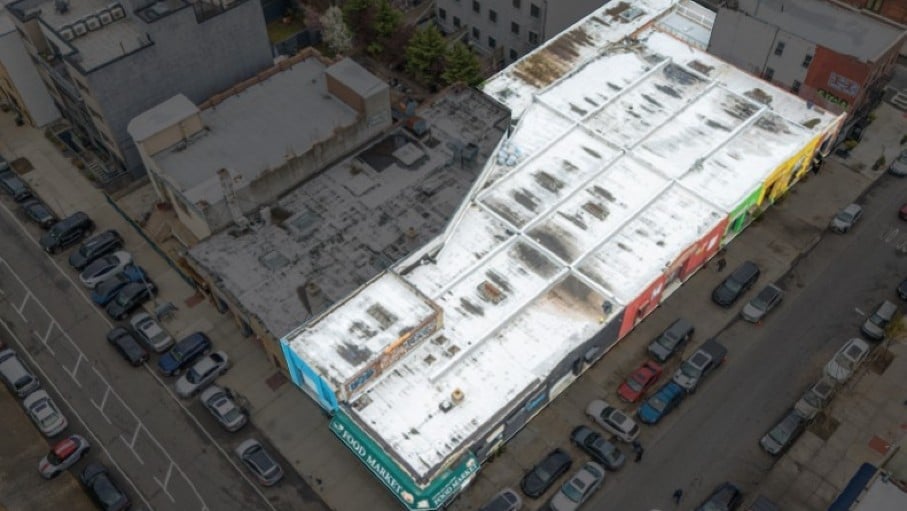
Development Site Trades within Atlantic Avenue Mixed-Use Plan
Ariel Property Advisors closed the $21-million sale of a development site at 566 Grand Ave. and 836 Dean St. in Prospect Heights, Brooklyn. The corner development site comprises approximately 86,065 buildable square feet and traded for approximately $244 per buildable square foot. The transaction was arranged by Ariel partner Sean R. Kelly along with associate...
Learn more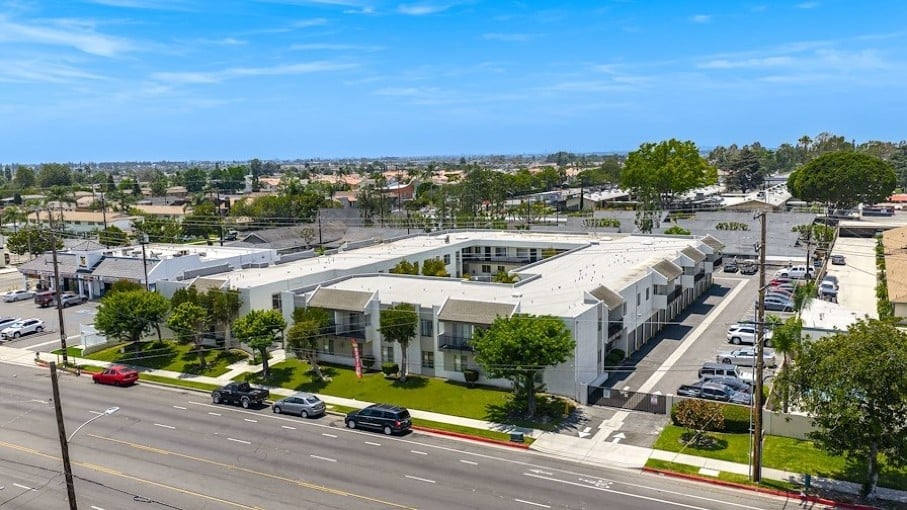
Fourth Sale Closes in Anaheim Multifamily Portfolio
Marcus & Millichap arranged the sale of Knott-Orange Apartments, a 35-unit multifamily property located at 515 S. Knott Ave. in Anaheim. The property sold for $9.65 million, or $275,714 per unit. “This transaction marked the fourth closing from a larger Anaheim-area multifamily portfolio as the seller continues to reposition its holdings through a 1031 exchange...
Learn more
JLL Arranges $135M Financing for Luxury Multifamily in Yonkers
JLL Capital Markets arranged $135 million in construction financing and joint venture equity for the development of The Ibex at Ridge Hill, a 282-unit luxury multifamily community at the Ridge Hill mixed-use lifestyle center in Yonkers. Senior managing directors Evan Pariser and Aaron Niedermayer and director John Lowe arranged the senior construction loan with Bank...
Learn more
Brokers
View All-
Remax Real Estate Professionals
Re/Max Real Estate Professionals
-
Jared Ennis
Central CA Commercial | California
-
Rick Recckio
Recckio Real Estate & Development
-
Greg Corbin
Northgate Real Estate Group
Lenders
View AllManagement
View All-
Essex Property Trust, Inc.
California
-
Josh A
California
-
Bob Tuteur
-
Andrew Schildcrout