
Lease Today, Pay Tomorrow: The Truth About RNPL

The “buy now, pay later” (BNPL) concept is considered relatively new. But according to the Federal Reserve Bank of Richmond, BNPL is an overhaul and rebrand of older financial strategies, including layaways and installment payments, which were pay-over-time approaches. BNPL usage exploded after the pandemic and remains popular.
The idea of immediate receipt and later payment has been popping up in residential services under the name of “rent now, pay later,” or RNPL for short. Similar to its BPNL cousin, paying less now and again later to live in an apartment unit isn’t new.
“This has been available through some niche players as early as 2019,” said Kevin King, Vice President, Credit Risk, LexisNexis Risk Solutions. “That said, major players have only started discussing plans to offer the service.”
King and other experts told ApartmentBuildings.com that RNPL is beginning to gain notice. At the same time, multifamily residents, owners and operators should consider certain issues before implementing such a process.
The Operational Factor

Similar to BNPL, its apartment-focused cousin involves renter enrollment either through an app or a rent payment portfolio, with the third-party provider authorizing and underwriting the renter’s eligibility. Upon approval, the renter pays an agreed-upon amount to the third party on the first of the month, with the second payment coming due two weeks later. The third party forwards payments to the multifamily owner or operator.
But not all residents qualify for the service; they must be analyzed for creditworthiness. For Flex, the RNPL platform used by Parktown Living, “residents must be current on rent to enroll,” said Patti Higgins, the property’s Senior Vice President.
Renters could also pay an extra fee for dividing rent payments into two parts. Such extras might include a monthly membership fee, a percentage of the rent payment, a credit card fee, or all of the above.
According to Fisayo Alade, managing partner with AFM Advisors, RNPL economics can be regarded as a continuum. On the one end is convenience for the renter, while at the other end is operator-subsidized retention and collections, with a “shared or negotiated fee model in between,” Alade explained.
The RNPL Advantages
The major upside of an RNPL arrangement for residents is the ability to match rent payments to bi-weekly paychecks. Some services also emphasize that RNPL can help build credit. However, “credit bureaus historically have been skeptical and specific about how they include that data in core credit scores and reports,” King warned.

Alade noted that RNLP can assist renters during periods of uncertain cash flow due to gig income, commission cycles and variable hours. A well-run RNPL platform can also help renters avoid late fees and negative rental histories by enabling automatic payment processing that “removes the risk of forgetting,” according to Higgins.
Meanwhile, for multifamily owners and operators, the process can help ensure rents are received on time, supporting mortgage obligations and continuous cash flow, Higgins said. Additionally, the platform can be invaluable for multifamily housing staff. “Fewer late-payment workflows can reduce staff time spent on collections, notices and payment-plan negotiations,” Alade said.
Pay Later Downsides
On the one hand, an RNPL approach gives residents breathing room with monthly payments. On the other hand, it could encourage tenants to seek multifamily units beyond their financial means. “This could increase the likelihood of default,” King said. This, in turn, could result in longer-term losses for multifamily owners, “particularly in states where evictions can be a lengthy and litigious process,” he commented.
Alade added that an RNPL offering doesn’t solve residents’ or owners’ financial difficulties. “It doesn’t change affordability fundamentals,” he commented. “Also, operators shouldn’t confuse stabilized collections with improved resident balance sheets.”
Then there are the extra costs. “The fees are mostly modest,” Higgins said. “But they do add up over time.”
Temporary Fad? Or Potential Solution?

The experts said that Affirm’s recent foray into the RNPL space, in partnership with Esusu, could help legitimize the process.
“It signals that RNPL is evolving beyond a niche solution into a normalized payment option,” Higgins observed. According to Alade, such a move by Affirm, along with interest from other players, suggests that “underwriting/repayment behavior around housing platforms is attractive enough to test at scale.”
However, King said it’s too early to tell whether RNPL will be useful or even desirable for multifamily renters and their landlords.
“If default rates are manageable and the service proves popular for tenants and multifamily owners and operators, it could scale quickly,” he said. On the other hand, the fact that RNPL hasn’t really moved forward since 2019 suggests that “such an outcome is far from guaranteed,” King added.
Still, at its root, RNPL could address what Alade called a “structural mismatch” between monthly rents and bi-weekly paychecks. Additionally, the trend could consolidate around platforms that can integrate with major payment portals. “This will also depend on price risk sustainability and the survival of regulatory attention as these products start to look and behave like consumer credit,” he said.
Other Features
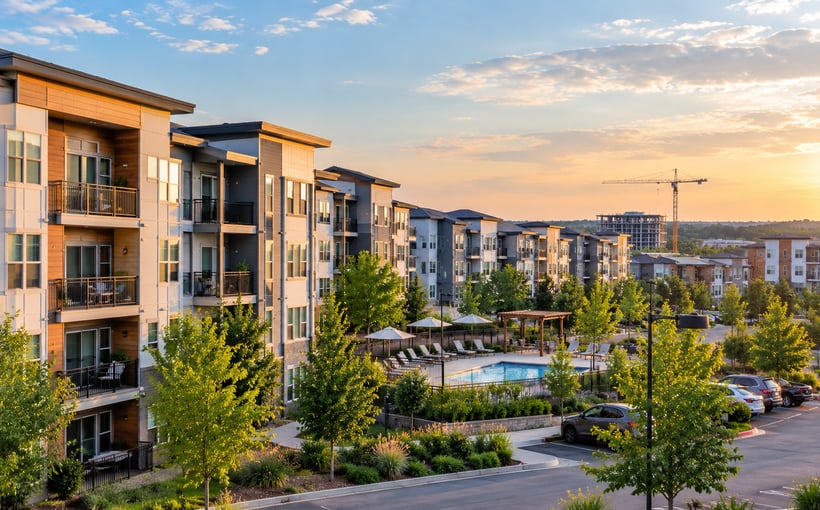
Apartment Construction Slows as Multifamily Market Moves Toward Balance
The U.S. multifamily market entered the fourth quarter of 2026 with declining vacancy, improving rent growth and fewer new apartments entering the market. The result is a sector moving closer to balance, according to Q3 reports from Cushman & Wakefield, MMG Real Estate Advisors, RealPage and Yardi Matrix. However, as real estate is local, conditions...
Continue reading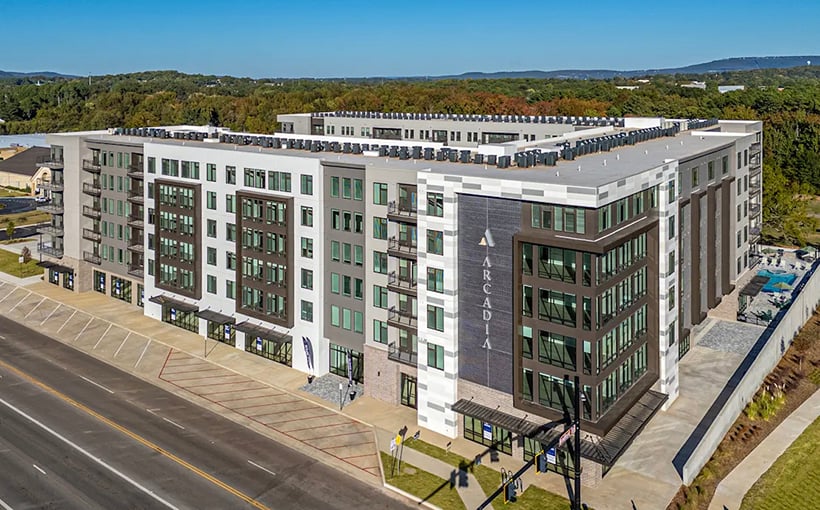
250-Unit Arcadia Huntsville Lands $53M Refi to Replace Construction Loan
Bobo Development Group and its limited partner Revitate obtained $53 million in senior refinancing for the two-year-old Arcadia Huntsville at 4810 Bradford Dr. NW in Alabama. JLL Senior Managing Director Gregg Shapiro told ApartmentBuildings.com. that a debt fund provided the loan, which will replace the original construction loan. “The property was capitalized with Opportunity Zone...
Continue reading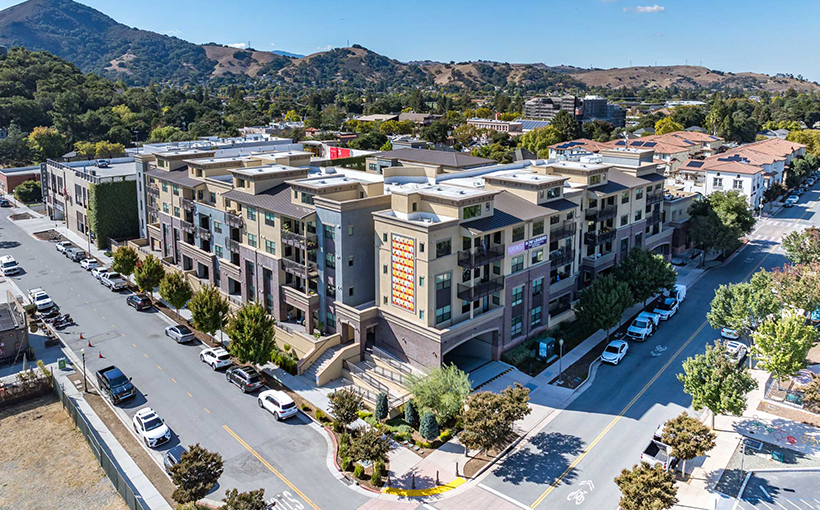
Multifamily Deals Span California, Carolinas and Beyond
Photo: Sunsweet Apartments, Courtesy of Northmarq Multifamily transactions continued to move across a range of markets, from a $45 million sale in Morgan Hill, California, to construction financing for a 24-unit condominium project in Arcadia. The latest deals also include apartment sales in Nebraska and South Carolina, refinancings in Colorado and North Carolina, and financing...
Continue reading
Brokers
View All-
Remax Real Estate Professionals
Re/Max Real Estate Professionals
-
Jared Ennis
Central CA Commercial | California
-
Rick Recckio
Recckio Real Estate & Development
-
Greg Corbin
Northgate Real Estate Group
Lenders
View AllManagement
View All-
Essex Property Trust, Inc.
California
-
Josh A
California
-
Bob Tuteur
-
Andrew Schildcrout