
The Hidden Costs of Tenant Departures

“I don’t mind losing tenants,” said no CRE landlord or property owner ever. When a tenant fails to renew a lease or leaves, it can mean problems—or possibly, opportunities—for the asset in question. As a recently released JLL report stated: “The true costs of tenant turnover are frequently underestimated.”
A True View of Turnover Costs
In “The Price of Losing Tenants,” the author suggests that owners and landlords need to go beyond vacancy and refurbishment costs to determine the hidden expenses associated with a tenant walking away. Some of the costs include:
Operating expenses. During a refurbishment period, a property’s operational expenses still need to be paid—but without rental income. No tenant means no incoming payments.
Marketing fees. Money is required to list the property with a broker and provide photos for brochures, among other issues. Brokers are also paid commission for their assistance in securing new tenants.
New lease costs. Other hidden costs are services needed to draft and negotiate a new lease agreement. There is no “one-size-fits-all” lease, as each tenant’s needs are unique. Additionally, the tenant might demand incentives or additional TIs before moving into the space.
Reputational risks. If many tenants decide to vacate at once, this may indicate problems with ownership or the property’s management. This could mean that fewer potential tenants are willing to examine the space. As mentioned above, empty space doesn’t generate income.
Keeping the Tenants in Place
There are legitimate reasons why tenants might move from one property to another. The space might be too small, and the building in question doesn’t have anything larger. The tenant is going out of business. The tenant needs to relocate for some reason.
The report explained that property owners and managers can help improve lease renewal rates (rather than having to find new tenants) by systematically and proactively addressing upcoming expirations.
Additionally, ongoing communication with the tenant can help reduce turnover rates. “It’s important to gather tenant insights across all operational levels as part of active asset, property and facility management initiatives,” the report suggested. “This ongoing dialogue also provides indications of the likelihood of tenant retention.”
Other News

Queens’ Tallest Tower Reaches 90% Leased, Adds First Retail Tenants
BLDG Management Co., Inc announced that The Orchard, Queens’ tallest tower, has surpassed 90% leased across its 824 residences nine months after launching residential leasing. The milestone occurs as the 70-story Long Island City development recently signed its first three retail tenants: K-beauty brand Tokimo, Japanese tea and beverage brand Mollytea and financial technology platform...
Learn more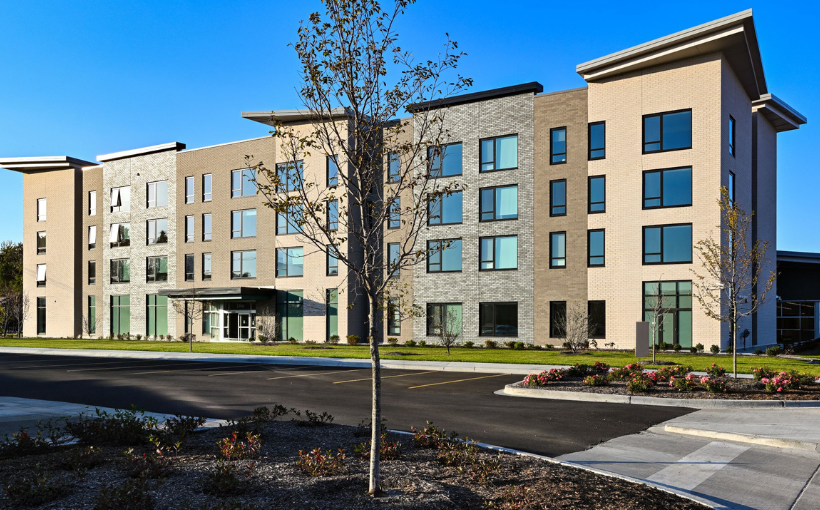
80-Unit Seniors Housing Development Opens in Suburban Chicago
Leyden Senior Apartments, a new four-story independent senior living development in Franklin Park, recently opened. Located at 2506 N. Mannheim Road, Leyden Senior Apartments offers one- and two-bedroom residences. The adjacent newly constructed Carl Fiorito Senior Center will be available to the entire community. Owned by Leyden Apartments LP, Leyden Senior Apartments was designed by...
Learn more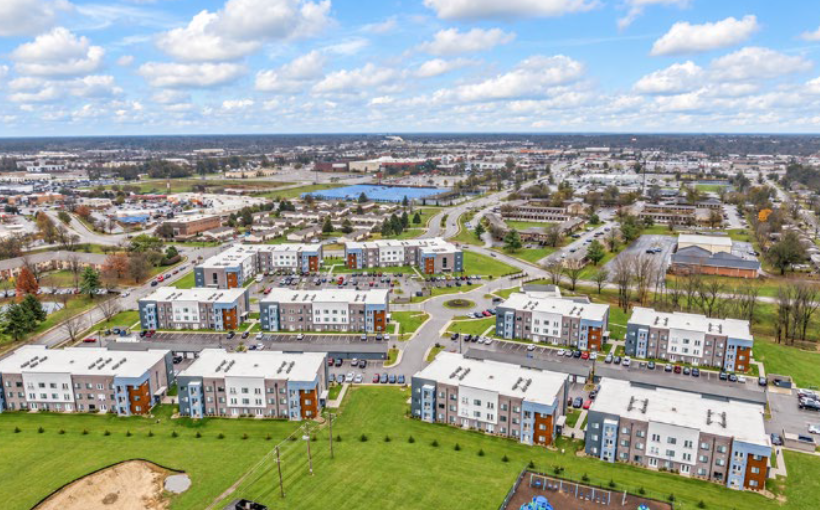
312-Unit Multifamily in Indiana Changes Hands
Northmarq’s Investment Sales team, led by Bobby Schiavone, Jordan Arand and Adam Klenk, led the sale of The Bend Apartments, a 312-unit garden apartment community located at 1909 Greentree Blvd. in Clarksville, Indiana. Northmarq represented the seller, a regional multifamily developer. The buyer was a private investor. “The Bend generated significant investor demand, further proving...
Learn more
Brokers
View All-
Remax Real Estate Professionals
Re/Max Real Estate Professionals
-
Jared Ennis
Central CA Commercial | California
-
Rick Recckio
Recckio Real Estate & Development
-
Greg Corbin
Northgate Real Estate Group
Lenders
View AllManagement
View All-
Essex Property Trust, Inc.
California
-
Josh A
California
-
Bob Tuteur
-
Andrew Schildcrout